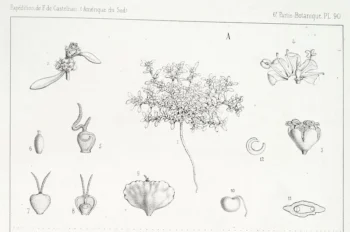
Crested Saltbush: The Unsung Hero of Coastal and Challenging Gardens
Meet Atriplex cristata, better known as crested saltbush – a humble little annual that might just be the solution to your most challenging gardening spots. While it may not win any beauty contests, this tough-as-nails native plant has some serious superpowers that make it worth considering for the right garden situations.
What Exactly Is Crested Saltbush?
Crested saltbush is an annual herb that belongs to the goosefoot family. True to its saltbush name, this plant has an amazing ability to thrive in salty conditions that would make most other plants throw in the towel. It’s a low-growing shrub that typically stays under 1.5 feet tall, though it can occasionally reach up to 3 feet in ideal conditions.
The plant gets its crested common name from the distinctive seed structures it produces. Its leaves are typically triangular to diamond-shaped with a grayish-green hue that helps it blend into coastal and arid landscapes.
Where Does It Call Home?
This native beauty has quite an impressive range across the eastern United States and beyond. You’ll find crested saltbush naturally growing in Alabama, Connecticut, Delaware, Florida, Georgia, Louisiana, Maryland, Massachusetts, Mississippi, New Hampshire, New Jersey, New York, North Carolina, Pennsylvania, Rhode Island, South Carolina, Texas, Virginia, Puerto Rico, and the Virgin Islands.
- Species observed
- No observations
Its wetland status varies by region – sometimes growing in wetlands, sometimes preferring drier upland areas, making it quite the adaptable character.
Why Would You Want to Grow Crested Saltbush?
Let’s be honest – crested saltbush isn’t going to wow anyone with flashy flowers or stunning foliage. So why should you care about this modest little plant? Here’s where it gets interesting:
- Salt tolerance champion: If you live near the coast or have salty soil conditions, this plant can handle what others cannot
- Low maintenance: Once established, it pretty much takes care of itself
- Erosion control: Great for stabilizing soil in challenging areas
- Native plant benefits: Supporting local ecosystems with indigenous species
- Drought tolerant: Perfect for water-wise gardening
Perfect Garden Situations for Crested Saltbush
This isn’t a plant for your formal front garden border, but it shines in specific situations:
- Coastal gardens where salt spray is an issue
- Naturalized areas and meadow gardens
- Erosion-prone slopes
- Areas with poor, sandy, or saline soils
- Low-maintenance landscape zones
- Native plant restoration projects
Growing Conditions and Care
The good news about crested saltbush is that it’s refreshingly easy to grow – if you put it in the right spot. Here’s what it prefers:
- Sunlight: Full sun is best
- Soil: Sandy, well-draining soils; salt-tolerant
- Water: Drought tolerant once established; doesn’t like to be pampered with too much water
- USDA Zones: Hardy in zones 6-11
Planting and Care Tips
Growing crested saltbush is pretty straightforward:
- Seeding: Direct seed in spring after the last frost; this annual readily self-seeds
- Spacing: Give plants room to spread – they don’t like to be crowded
- Watering: Water lightly during establishment, then let nature take over
- Fertilizing: Skip the fertilizer – this plant prefers lean conditions
- Maintenance: Minimal pruning or care needed; let it do its thing
The Bottom Line
Crested saltbush might not be the star of your garden, but it could very well be the reliable supporting actor that makes everything else possible. If you’re dealing with salty soils, coastal conditions, or just want a low-maintenance native plant for naturalized areas, this humble annual deserves a spot on your consideration list.
While it won’t provide showy blooms for pollinators (it’s wind-pollinated), it does contribute to the local ecosystem as a native species. Think of crested saltbush as the garden equivalent of a trusty pair of work boots – not glamorous, but invaluable when you need something that can handle tough conditions without complaint.