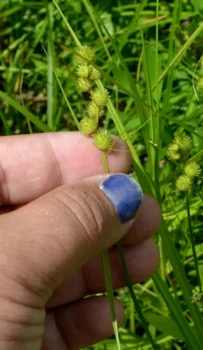
Crested Sedge: A Versatile Native for Wet Spots and Beyond
If you’ve been scratching your head over what to plant in those persistently soggy spots in your yard, meet your new best friend: crested sedge (Carex cristatella). This unassuming but incredibly useful native sedge might not win any flashy flower contests, but it’s exactly the kind of reliable, hardworking plant that makes gardening feel a whole lot easier.
What Makes Crested Sedge Special?
Crested sedge is a perennial grass-like plant that’s native to both Canada and the lower 48 states. Don’t let the grass-like description fool you—this is actually a sedge, which means it’s tougher and more adaptable than many true grasses. It forms attractive clumps of arching, green foliage that sways gracefully in the breeze, reaching about 3 feet tall at maturity.
Where Does It Call Home?
This adaptable native has quite an impressive range! You’ll find crested sedge naturally growing across a huge swath of North America, including Manitoba, Ontario, Quebec, Saskatchewan, and dozens of U.S. states from Connecticut and Delaware in the east, all the way west to Kansas and the Dakotas, and south to North Carolina and Tennessee.
- Species observed
- No observations
The Wet Spot Solution
Here’s where crested sedge really shines: it absolutely loves moisture. In most regions, it has a Facultative Wetland status, meaning it usually occurs in wetlands but can handle drier conditions too. This makes it perfect for:
- Rain gardens and bioswales
- Pond edges and stream banks
- Low-lying areas that stay damp
- Bog gardens
- Naturalized woodland areas
But here’s the really cool part—while it prefers wet feet, crested sedge is surprisingly tolerant and can adapt to less soggy conditions once established.
Growing Crested Sedge Successfully
The beauty of this sedge lies in its easygoing nature. It’s hardy in USDA zones 3-8, so it can handle everything from harsh northern winters (down to -33°F!) to moderate heat.
Soil and Site Preferences
- Soil: Prefers fine to medium-textured soils; not great with sandy conditions
- pH: Likes slightly acidic conditions (4.9-6.8)
- Moisture: High moisture use—keep it consistently damp
- Light: Shade tolerant, making it perfect for woodland gardens
Planting Tips
Crested sedge is routinely available from native plant nurseries and can be propagated by seed, bare root, or sprigs. Spring and summer are its active growing periods, so plan accordingly. The growth rate is moderate, so be patient—good things take time!
Care and Maintenance
Once established, this sedge is refreshingly low-maintenance. It doesn’t need fertilizer (medium fertility requirement), won’t spread aggressively (no vegetative spread), and regrows slowly after cutting, so you won’t be constantly trimming it back.
Wildlife and Ecological Benefits
While crested sedge may not be a pollinator magnet (it’s wind-pollinated with small, inconspicuous green flowers), it serves the ecosystem in other important ways. The seeds provide food for birds, and its dense clumping growth offers shelter for small wildlife. Plus, by choosing this native species, you’re supporting local ecosystems and reducing maintenance needs.
Is Crested Sedge Right for Your Garden?
Consider crested sedge if you:
- Have consistently moist or wet areas to fill
- Want a low-maintenance native option
- Need plants for shade or partial shade
- Are creating a rain garden or naturalized area
- Like the look of ornamental grasses but need something tougher
Skip it if you:
- Have very sandy, well-drained soil
- Can’t provide consistent moisture
- Want showy flowers or fall color
- Need something for very alkaline soils
The Bottom Line
Crested sedge might not be the most glamorous plant in the nursery, but it’s exactly the kind of steady, dependable native that makes gardens work. It solves problems, supports wildlife, and does it all without fuss. Sometimes the best garden stars are the ones that quietly do their job while making everything else look better—and that’s crested sedge in a nutshell.