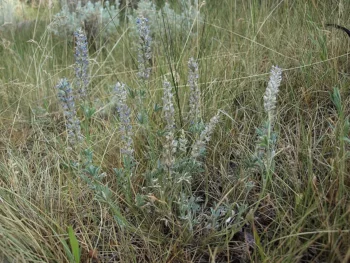
Crowded Lupine: A Compact Native Beauty for Water-Wise Gardens
If you’re looking for a drought-tolerant native plant that packs a punch in small spaces, meet the crowded lupine (Lupinus confertus). This charming perennial forb might not be the showiest member of the lupine family, but what it lacks in size, it makes up for in resilience and ecological value.
What Makes Crowded Lupine Special?
Crowded lupine is a true native of the American West, naturally occurring in California and Nevada. As a perennial forb—basically a non-woody flowering plant that comes back year after year—it’s perfectly adapted to the challenging conditions of its native mountainous and desert regions.
This lupine gets its crowded name from its compact growth habit and densely packed flower clusters. Unlike its towering cousins, crowded lupine stays relatively low to the ground, making it an excellent choice for gardeners who want lupine beauty without the space commitment.
- Species observed
- No observations
Garden Appeal and Landscape Role
Don’t let the modest size fool you—crowded lupine brings plenty to the garden table:
- Attractive blue to purple flower spikes that add vertical interest to plantings
- Silvery-green palmate leaves that provide textural contrast
- Compact form perfect for rock gardens and border fronts
- Excellent for naturalistic and xeriscape designs
This lupine works beautifully in native plant gardens, drought-tolerant landscapes, and rock gardens. It’s particularly valuable in areas where you want the classic lupine look but don’t have room for larger species.
Pollinator Powerhouse
Like all lupines, crowded lupine is a pollinator magnet. Bees absolutely love the protein-rich pollen, and butterflies frequently visit for nectar. Some lupines also serve as host plants for butterfly larvae, making them doubly valuable for supporting local ecosystems.
Growing Conditions and Care
One of crowded lupine’s best features is its low-maintenance nature, especially once established:
- Sunlight: Thrives in full sun conditions
- Soil: Prefers well-draining soils and actually tolerates poor, rocky soils quite well
- Water: Extremely drought tolerant once established; minimal supplemental watering needed
- Hardiness: Suitable for USDA zones 4-8
The key to success with crowded lupine is remembering its desert origins—it’s much happier in lean, dry conditions than in rich, moist garden soil.
Planting Tips
Getting crowded lupine started requires a bit of patience, but it’s worth the effort:
- Direct seed in fall or early spring for best results
- Scarify seeds (nick or scratch the hard seed coat) to improve germination
- Plant in well-draining soil and avoid overwatering
- Be patient—lupines can be slow to establish but are long-lived once settled
Is Crowded Lupine Right for Your Garden?
Consider crowded lupine if you:
- Want to support native plant communities
- Need drought-tolerant perennials
- Have challenging, dry, or rocky soil conditions
- Want to attract pollinators without a lot of maintenance
- Appreciate understated, naturalistic beauty
While crowded lupine might not be the star of every garden show, it’s a reliable, ecological valuable addition to water-wise landscapes. For gardeners in its native range of California and Nevada, it represents an authentic piece of local natural heritage that brings both beauty and function to the garden.
Sometimes the best garden plants are the ones that ask for the least while giving back the most—and crowded lupine fits that description perfectly.