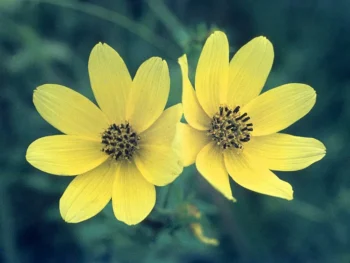
Crowned Beggarticks: A Native Wetland Wonder for Your Water Garden
If you’ve been searching for a native plant that thrives in those soggy spots where other flowers fear to tread, meet your new garden buddy: crowned beggarticks (Bidens coronata). This cheerful yellow-flowered annual might not have the fanciest name, but it’s a wetland superstar that deserves a spot in every water-loving garden.
What Makes Crowned Beggarticks Special?
Crowned beggarticks is a true North American native, calling both Canada and the lower 48 states home. You’ll find this adaptable annual flourishing across an impressive range of states, from Alabama to Wisconsin, and from the Atlantic Coast to the Great Plains. This widespread distribution tells us one important thing: this plant knows how to make itself at home!
- Species observed
- No observations
As an obligate wetland plant, crowned beggarticks almost always occurs in wetlands across all regions where it grows. This isn’t a plant that’s wishy-washy about its water needs – it wants consistently moist to wet conditions, and it’s not shy about letting you know.
Garden Appeal and Characteristics
Don’t let the humble beggarticks name fool you – this plant brings plenty of charm to the right garden setting. Here’s what you can expect:
- Height: Grows to a respectable 3.4 feet tall
- Flowers: Bright yellow blooms that are quite conspicuous
- Blooming period: Late summer color when many other plants are winding down
- Growth habit: Erect, single crown form
- Foliage: Green leaves with coarse texture
- Growth rate: Rapid – this plant doesn’t mess around!
The fall season brings out crowned beggarticks’ best features, making it particularly conspicuous when autumn arrives. It’s like nature’s way of giving your wetland garden one last hurrah before winter.
Perfect Garden Settings
Crowned beggarticks isn’t the plant for your drought-tolerant perennial border, but it’s absolutely perfect for:
- Rain gardens and bioswales
- Pond and stream margins
- Wetland restoration projects
- Native plant gardens with consistent moisture
- Areas with seasonal flooding
- Natural wildlife habitat gardens
Growing Conditions: Give It What It Craves
Success with crowned beggarticks is all about understanding its wetland nature. This plant has high moisture requirements and won’t forgive you for letting it dry out. Here are the key growing conditions:
- Moisture: High water needs – think consistently moist to wet soil
- Soil: Adaptable to coarse, medium, and fine-textured soils
- pH: Tolerates a range from 5.2 to 7.1
- Sun exposure: Intermediate shade tolerance, but likely prefers full to partial sun
- Temperature: Requires at least 145 frost-free days and minimum temperatures above 52°F
The good news? If you can meet its moisture needs, crowned beggarticks is quite forgiving about soil types and pH levels.
Planting and Care Tips
Growing crowned beggarticks from seed is your best bet, and fortunately, this plant makes it easy:
- Seed abundance: High – you’ll have plenty to work with
- Seedling vigor: High – these little plants are eager to grow
- Seeds per pound: About 130,000 (a little goes a long way!)
- Germination: No cold stratification required
- Spread rate: Rapid seed spread, so be prepared for natural reseeding
Since this is an annual plant, you’ll rely on reseeding for future generations. The good news is that crowned beggarticks is excellent at self-sowing in suitable conditions, with seeds persisting through fall and winter.
Wildlife and Ecological Benefits
As a native wetland plant, crowned beggarticks likely provides valuable habitat and food sources for wildlife, though specific benefits aren’t well-documented. Native plants typically support local ecosystems better than non-natives, making this a solid choice for gardeners interested in supporting biodiversity.
The late summer blooming period means it’s providing nectar when many other flowers have finished for the season – always a plus for pollinators preparing for winter.
Is Crowned Beggarticks Right for Your Garden?
Consider crowned beggarticks if you:
- Have consistently wet or boggy areas in your landscape
- Want to support native plant communities
- Need late-season color in wet areas
- Are working on wetland restoration or rain garden projects
- Enjoy low-maintenance plants that self-sow
Skip this plant if you:
- Have only well-drained garden areas
- Can’t commit to consistent moisture
- Prefer neat, controlled garden designs (remember that rapid reseeding!)
Crowned beggarticks may not be the showiest plant in the native garden catalog, but for the right wet and wild garden spots, it’s a reliable, cheerful native that knows how to make itself at home. Sometimes the best garden companions are the ones that ask for exactly what you can give – and in this case, that’s plenty of water and a little space to spread its seeds around.