Crownscale: A Hardy Native for Challenging Garden Spots
If you’ve got a tough spot in your garden where nothing seems to thrive – maybe it’s salty, alkaline, or just plain inhospitable – let me introduce you to a little native champion that might be exactly what you need. Meet crownscale (Atriplex coronata var. coronata), a scrappy annual that’s perfectly at home in California’s most challenging growing conditions.
What Is Crownscale?
Crownscale is a native annual herb that belongs to the goosefoot family. Don’t expect showy flowers or dramatic foliage – this plant is all about function over flash. It’s a true California native, evolved to handle the state’s diverse and often harsh coastal and inland environments.
As an annual, crownscale completes its entire life cycle in one growing season, sprouting from seed, growing, flowering, setting seed, and dying back all within a year. This might sound like a disadvantage, but it actually makes this plant incredibly resilient and adaptive.
Where Does Crownscale Grow?
This hardy native calls California home, where it has adapted to some pretty tough neighborhoods – think salt marshes, alkaline flats, and disturbed soils that would make other plants throw in the trowel.
- Species observed
- No observations
Why Consider Crownscale for Your Garden?
Now, I’ll be honest – crownscale isn’t going to win any beauty contests. But here’s why you might want to give this unassuming native a chance:
- Extreme tolerance: Handles salty, alkaline soils that kill most other plants
- Low maintenance: Once established, it pretty much takes care of itself
- Native support: Provides habitat and food for native wildlife
- Problem solver: Perfect for those impossible spots where nothing else will grow
- Drought tough: Minimal water needs once established
What Does Crownscale Look Like?
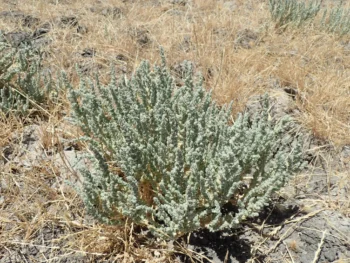
Crownscale has a modest appearance with silvery-green foliage that helps it reflect harsh sunlight and conserve moisture. The flowers are small and inconspicuous – this plant puts its energy into survival rather than showiness. It typically grows as a low, spreading ground cover.
Perfect Garden Situations for Crownscale
This native shines in specific garden scenarios:
- Coastal gardens: Handles salt spray and sandy soils beautifully
- Xeriscape designs: Perfect for water-wise landscaping
- Restoration projects: Excellent for rehabilitating disturbed areas
- Problem areas: Those spots with poor, alkaline, or salty soil
- Native plant gardens: Adds authenticity to California native landscapes
Growing Conditions and Care
Here’s the beauty of crownscale – it’s incredibly easy to please:
Sunlight: Full sun is best, though it can handle some light shade
Soil: Thrives in alkaline, salty, or otherwise challenging soils that other plants can’t handle. Good drainage is important.
Water: Drought tolerant once established. In fact, too much water can be problematic.
Climate: Best suited for USDA hardiness zones 8-10, matching its native California range
Planting and Care Tips
Growing crownscale is refreshingly straightforward:
- Seeding: Direct sow seeds in fall for best results
- Spacing: Give plants room to spread naturally
- Watering: Water lightly until established, then back off
- Fertilizing: Skip it – this plant prefers lean conditions
- Maintenance: Minimal care needed; let it self-seed for future years
Wildlife and Ecological Benefits
While crownscale might not be a pollinator magnet (it’s wind-pollinated), it serves important ecological functions. The seeds provide food for birds, and the plant offers habitat and cover for small wildlife. As a native species, it fits seamlessly into local food webs.
Is Crownscale Right for Your Garden?
Crownscale is definitely a specialty plant rather than a general garden star. Consider it if you:
- Have challenging soil conditions
- Want to support native ecosystems
- Need a tough groundcover for problem areas
- Are creating a water-wise landscape
- Appreciate plants for their ecological value over ornamental appeal
If you’re looking for showy flowers or dramatic foliage, you’ll want to look elsewhere. But if you need a reliable, low-maintenance native that can handle tough conditions while supporting local wildlife, crownscale might just be your new garden hero.
Sometimes the most valuable plants in our gardens aren’t the prettiest ones – they’re the ones that quietly do important work while asking for almost nothing in return. That’s crownscale in a nutshell: humble, hardworking, and perfectly adapted to call California home.