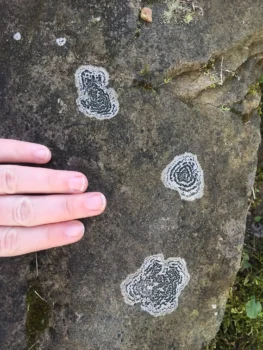
Crust Porpidia Lichen: The Tiny Garden Helper You Never Knew You Had
Have you ever noticed those crusty, grayish patches on your stone garden walls or rock features and wondered what they were? Meet the crust porpidia lichen (Porpidia crustulata), a fascinating little organism that’s probably been quietly living in your garden all along. While it might not be the showstopper flower you planted last spring, this humble lichen plays some pretty important roles in your outdoor space.
What Exactly Is Crust Porpidia Lichen?
First things first – let’s clear up what a lichen actually is. Porpidia crustulata isn’t a plant in the traditional sense. It’s actually a partnership between a fungus and algae (or sometimes cyanobacteria) living together in perfect harmony. Think of it as nature’s ultimate roommate situation, where both parties benefit from the arrangement.
This particular lichen goes by the scientific name Porpidia crustulata, though you might also see it referred to by its older names like Huilia crustulata or Lecidea crustulata in some older field guides. But don’t worry about memorizing all those tongue-twisters – crust porpidia lichen works just fine for most of us!
Where You’ll Find This Native North American
Crust porpidia lichen is a true North American native, making its home across the continent in various climates and conditions. You’re most likely to spot it in temperate and northern regions, where it has been quietly doing its thing for probably much longer than your garden has existed.
Spotting Crust Porpidia Lichen in Your Garden
So how do you identify this little garden resident? Here’s what to look for:
- Thin, crusty patches that look almost painted onto rock surfaces
- Gray to pale coloration, sometimes with a slightly greenish tint
- Small, dark, button-like structures (called apothecia) scattered across the surface
- A preference for siliceous rocks – think granite, quartzite, or similar stone materials
- Typically found on exposed stone surfaces, garden walls, or rock features
The texture is key here – unlike some lichens that might be leafy or branched, crust porpidia lichen lives up to its name by forming thin, crust-like growths that can be tough to scrape off the rock surface.
Is This Lichen Good for Your Garden?
Absolutely! While you can’t exactly plant or cultivate crust porpidia lichen (it does its own thing), having it around is actually a great sign. Here’s why you should appreciate these little patches:
- Air quality indicator: Lichens are sensitive to air pollution, so their presence suggests you have relatively clean air in your garden area
- Ecosystem health: They’re part of a healthy, functioning ecosystem and contribute to biodiversity
- Soil building: Over time, lichens help break down rock surfaces, contributing to soil formation
- Natural beauty: They add subtle texture and natural character to stone features
Living with Your Lichen Neighbors
The beauty of crust porpidia lichen is that it requires absolutely zero maintenance from you. In fact, the best thing you can do is simply leave it alone. Here are a few tips for coexisting peacefully:
- Avoid using harsh chemicals or pressure washing on areas where lichens grow
- Don’t try to scrape them off – they’re not hurting your stone surfaces
- Consider them a natural patina that adds character to your hardscaping
- If you’re building new stone features, don’t be surprised if lichens eventually colonize them naturally
The Bottom Line
Crust porpidia lichen might not be the star of your garden show, but it’s definitely a valuable supporting character. These hardy little organisms are a sign of a healthy environment and add their own subtle beauty to your outdoor space. Rather than seeing them as something to remove, consider them a natural part of your garden’s ecosystem – a tiny reminder that nature has its own ways of making even the most mundane surfaces interesting.
So the next time you’re wandering around your garden and notice those crusty gray patches on your stone walls or rock features, take a moment to appreciate these remarkable little partnerships between fungus and algae. They’re not just surviving in your garden – they’re thriving, and that’s something to celebrate.