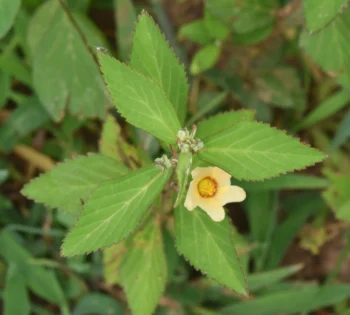
Cuban Jute: A Hardy Wildflower with Yellow Blooms
Meet Cuban jute (Sida rhombifolia), a cheerful little wildflower that’s been making itself at home across much of North America. With its bright yellow flowers and heart-shaped leaves, this plucky plant has earned quite a reputation among gardeners who appreciate low-maintenance bloomers.
What Is Cuban Jute?
Cuban jute is a forb – basically a non-woody plant that dies back to the ground each year or persists as a perennial depending on your climate. Don’t let the technical term intimidate you; think of it as a humble herb that puts on a surprisingly good show. This plant can behave as either an annual or perennial, adapting to whatever your local conditions throw at it.
The name Cuban jute might make you think of rope-making (and you wouldn’t be entirely wrong – some Sida species have been used for fiber), but in the garden world, this plant is all about those sunny yellow flowers that seem to pop up everywhere once it gets going.
Where Does It Grow?
Cuban jute has quite the travel resume. You’ll find it growing across a impressive range of states including Alabama, Arizona, Arkansas, California, Florida, Georgia, Hawaii, Kansas, Kentucky, Louisiana, Maryland, Mississippi, New Jersey, North Carolina, Oklahoma, Pennsylvania, South Carolina, Tennessee, Texas, and Virginia. It’s also established in various U.S. territories including Guam, Palau, Puerto Rico, and the Virgin Islands.
- Species observed
- No observations
The plant’s native status is a bit complicated – it appears to be native to some parts of the lower 48 states and various U.S. territories, while being introduced in others like Hawaii. Before planting, it’s worth checking whether it’s considered native in your specific area.
Growing Conditions and Hardiness
Cuban jute is pretty easygoing when it comes to growing conditions. Here’s what it prefers:
- Sunlight: Full sun to partial shade
- Soil: Well-draining soil (it’s not picky about soil type)
- Water: Drought tolerant once established
- Climate: Hardy in USDA zones 8-11
The wetland status varies by region, but generally, Cuban jute prefers upland areas – meaning it usually avoids wet, marshy spots. In most regions, it’s classified as Facultative Upland, which means you’ll typically find it in drier areas, though it can tolerate some moisture.
Garden Role and Landscape Use
Cuban jute works well in informal garden settings where you want a naturalized look. It’s particularly good for:
- Butterfly gardens (those yellow flowers are pollinator magnets)
- Wildflower meadows
- Ground cover in sunny spots
- Areas where you want low-maintenance color
The plant typically grows as a bushy herb with an upright to spreading habit. While exact size can vary, most specimens stay relatively compact, making them suitable for smaller garden spaces.
Pollinator and Wildlife Benefits
Here’s where Cuban jute really shines – it’s a pollinator favorite. The small yellow flowers attract bees, butterflies, and other beneficial insects throughout the blooming season. If you’re trying to create habitat for pollinators, this plant can be a valuable addition to your garden toolkit.
Planting and Care Tips
Cuban jute is refreshingly low-maintenance. Here are some tips for success:
- Planting: Direct seed in spring after frost danger passes, or transplant seedlings
- Spacing: Give plants room to spread naturally
- Watering: Water regularly until established, then it can largely fend for itself
- Maintenance: Minimal care needed – may self-seed if conditions are right
One thing to keep in mind: Cuban jute can be a prolific self-seeder. While this makes it great for naturalizing, you might want to deadhead flowers if you prefer more control over where it spreads.
Should You Plant Cuban Jute?
Cuban jute can be a worthwhile addition if you’re looking for a low-maintenance plant that supports pollinators and adds cheerful yellow color to informal garden areas. However, since its native status varies by location, consider checking with your local extension office about native alternatives that might serve the same purpose in your specific region.
If you do decide to grow Cuban jute, it’s one of those forgiving plants that rewards neglect – perfect for gardeners who want beauty without a lot of fuss. Just be prepared for it to make itself at home and potentially spread beyond where you originally planted it.