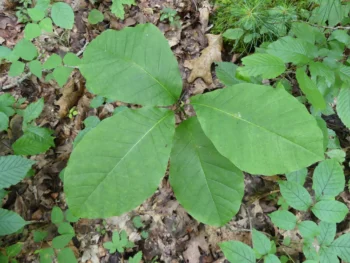
Cucumber Tree: The Understated Native Magnolia Worth Growing
When most people think of magnolias, they picture those showy Southern beauties with their massive white or pink blooms. But there’s another member of the magnolia family that deserves some serious attention from native plant enthusiasts: the cucumber tree (Magnolia acuminata). This impressive native might not have the flashiest flowers, but it brings plenty of other qualities to the table that make it a stellar choice for the right garden.
What Makes the Cucumber Tree Special
The cucumber tree gets its quirky common name from its young fruits, which look remarkably like small cucumbers before they ripen into attractive red seed clusters. Don’t let the understated name fool you – this is one magnificent tree that can reach towering heights of up to 100 feet at maturity, though you can expect it to hit around 40 feet in its first 20 years thanks to its rapid growth rate.
As a native species, the cucumber tree has deep roots in North American ecosystems (literally and figuratively). It naturally occurs across a impressive range of states including Alabama, Arkansas, Connecticut, Florida, Georgia, Illinois, Indiana, Kentucky, Louisiana, Maryland, Massachusetts, Mississippi, Missouri, New Jersey, New York, North Carolina, Ohio, Oklahoma, Pennsylvania, South Carolina, Tennessee, Virginia, and West Virginia, plus Ontario, Canada.
- Species observed
- No observations
Garden Appeal and Landscape Role
While the cucumber tree might not stop traffic with its blooms like some of its magnolia cousins, it offers subtle beauty that grows on you. In mid-spring, it produces yellow-green flowers that, while not particularly showy, add a soft charm to the landscape. The real show comes in fall when the tree’s foliage turns conspicuous colors and the red fruits become quite eye-catching against the autumn backdrop.
This tree works best as a specimen tree in large landscapes where it has room to spread its irregular, single-stemmed form. Think parks, large residential properties, or naturalized areas rather than small urban lots. Its dense summer foliage provides excellent shade, while its porous winter structure allows light through during the dormant season.
Wildlife and Pollinator Benefits
As with most native plants, the cucumber tree supports local ecosystems in ways that non-native alternatives simply can’t match. The flowers attract various pollinators, particularly beetles, which have co-evolved with magnolias over millions of years. The red fruits and seeds provide food for wildlife, though the tree doesn’t produce fruit abundantly every year.
Growing Conditions and Care
The cucumber tree has some specific preferences that you’ll want to keep in mind:
- Soil: Prefers well-drained, medium-textured soils with high fertility requirements. It’s not fond of heavy clay or very sandy soils.
- pH: Likes acidic conditions, thriving in soils with pH between 5.2 and 7.0
- Moisture: This tree is thirsty! It has high moisture requirements and doesn’t tolerate drought well
- Light: Does well in partial shade to full sun, with intermediate shade tolerance
- Climate: Hardy in USDA zones 4-8, needing at least 160 frost-free days and handling temperatures down to -16°F
Planting and Care Tips
If you’re thinking about adding a cucumber tree to your landscape, here’s what you need to know:
- Space planning: Give this tree plenty of room – it’s going to get big! Plan for at least 30-40 feet of clearance in all directions
- Soil preparation: Ensure excellent drainage while maintaining consistent moisture – a bit of a balancing act that might require soil amendments
- Planting: Available as container plants or bare root specimens. Seeds require cold stratification, so fall planting works well if you’re starting from seed
- Ongoing care: Regular watering during dry spells is crucial, especially for young trees. Mulching helps retain moisture
- Patience required: While it grows rapidly, it may take several years to establish and begin flowering
Is the Cucumber Tree Right for Your Garden?
The cucumber tree isn’t for everyone, and that’s okay! This native beauty is best suited for gardeners who:
- Have large properties with space for a substantial tree
- Can provide consistent moisture and rich, well-draining soil
- Appreciate subtle beauty over flashy displays
- Want to support native ecosystems and wildlife
- Live within its hardiness range (zones 4-8)
If you have a small urban lot or struggle with dry conditions, this might not be your tree. But if you have the right conditions and space, the cucumber tree offers the satisfaction of growing a truly native species that will become a majestic focal point in your landscape for generations to come.
Remember, this tree usually occurs in non-wetland areas but can occasionally tolerate wetland conditions, making it quite versatile for different moisture levels within its preferred range. Just don’t expect it to handle extended dry periods – this magnolia likes to keep its roots consistently moist and happy!