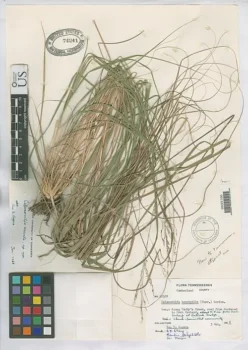
Cumberland Sandreed: A Rare Native Grass Worth Protecting in Your Garden
If you’re looking to add a touch of wild elegance to your landscape while supporting conservation efforts, Cumberland sandreed might just be the perfect addition to your native plant wishlist. This graceful perennial grass, scientifically known as Calamovilfa arcuata, is one of those hidden gems of the southeastern United States that deserves more attention—though for important reasons, it requires careful consideration before planting.
What Makes Cumberland Sandreed Special?
Cumberland sandreed is a native perennial grass that brings both beauty and ecological value to the right garden setting. This graminoid (that’s botanist-speak for grass-like plant) produces elegant, arching stems topped with delicate, airy flower clusters that dance in the slightest breeze. The plant typically reaches 2-4 feet tall and creates attractive clumps that add texture and movement to naturalized landscapes.
What makes this grass particularly interesting is its relationship with water. Unlike many grasses that prefer well-drained conditions, Cumberland sandreed actually thrives in moist to wet environments, making it a fantastic choice for rain gardens and wetland margins.
Where Does Cumberland Sandreed Call Home?
This charming grass is native to a relatively small region of the southeastern United States, naturally occurring in Alabama, Arkansas, Kentucky, Oklahoma, and Tennessee. Its limited native range is part of what makes it so special—and so vulnerable.
- Species observed
- No observations
A Word of Caution: This Plant is Rare
Here’s where things get serious for a moment. Cumberland sandreed has a global conservation status of S2S3, which indicates it’s quite rare across its entire range. In Alabama and Arkansas, it’s ranked as S1—meaning it’s critically imperiled in those states. This isn’t a plant you’ll find at your local garden center, and that’s actually a good thing for conservation purposes.
If you’re interested in growing Cumberland sandreed, please only obtain it through reputable native plant nurseries that use responsibly sourced, locally collected seed. Never collect from wild populations, as this could harm already vulnerable communities of this rare grass.
Why Consider Cumberland Sandreed for Your Garden?
Despite its rarity (or perhaps because of it), there are compelling reasons to include this grass in appropriate landscapes:
- Wetland expertise: It’s classified as Facultative Wetland in most regions and Obligate Wetland in the Great Plains, making it perfect for wet areas where other plants struggle
- Low maintenance: Once established, this perennial requires minimal care
- Native authenticity: Provides genuine local habitat for wildlife
- Conservation value: Growing it responsibly helps preserve genetic diversity
- Unique texture: Adds graceful, arching form to native plantings
Perfect Garden Settings
Cumberland sandreed isn’t a plant for every garden, but it shines in specific situations:
- Rain gardens: Excellent for managing stormwater runoff
- Wetland restoration projects: Helps recreate authentic southeastern wetland communities
- Native plant gardens: Adds authentic regional character
- Naturalized landscapes: Perfect for meadow-style plantings near water features
- Pond or stream margins: Thrives in these naturally moist environments
Growing Conditions and Care
Cumberland sandreed is surprisingly easy to grow once you understand its preferences:
Sunlight: Prefers full sun but tolerates partial shade
Soil: Thrives in moist to wet soils; can handle periodic flooding
Hardiness: Suitable for USDA zones 6-9
Water: Loves consistent moisture—don’t let it dry out completely
Planting and Care Tips
- Plant in spring after the last frost date
- Space plants 18-24 inches apart to allow for natural spreading
- Water regularly the first year until established
- Once mature, it can handle seasonal flooding and drought periods
- Cut back in late winter or early spring before new growth emerges
- Be aware that it can spread via underground rhizomes—give it room or plan for management
Wildlife and Ecosystem Benefits
While Cumberland sandreed is wind-pollinated (so it won’t attract butterflies with showy flowers), it provides valuable habitat structure for beneficial insects and nesting sites for small wildlife. The seeds may also provide food for birds, though this grass’s main ecological value lies in its role as a wetland community member.
The Bottom Line
Cumberland sandreed is a plant for the thoughtful gardener who wants to make a real difference. If you have the right conditions—a consistently moist spot in zones 6-9—and can source it responsibly, this rare native grass offers a unique opportunity to support conservation while adding authentic regional character to your landscape.
Just remember: with great rarity comes great responsibility. Only grow Cumberland sandreed if you can obtain it through proper channels and give it the wet, sunny conditions it craves. Your garden—and this vulnerable species—will thank you for it.