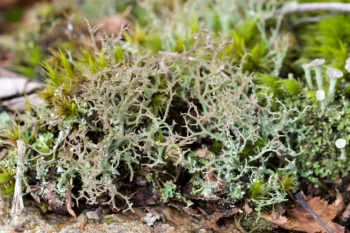
Cup Lichen: The Tiny Garden Guest You Never Planted
Have you ever noticed small, cup-shaped structures growing on soil, rocks, or old wood in your garden and wondered what they were? Meet cup lichen (Cladonia furcata), one of nature’s most fascinating and misunderstood garden inhabitants. This isn’t actually a plant at all – it’s a lichen, which is a remarkable partnership between a fungus and an algae working together to create something entirely unique.
What Exactly Is Cup Lichen?
Cup lichen belongs to a group of organisms that blur the lines between the plant and fungal kingdoms. Technically known by its scientific name Cladonia furcata, this lichen forms small, hollow, cup-like structures called podetia that can range from grayish-green to pale green in color. These tiny cups, usually measuring just a few centimeters tall, create intricate miniature landscapes that look like something out of a fairy tale.
This lichen is native to North America and can be found across a wide range from Arctic regions down to temperate zones. It’s remarkably widespread and adaptable, thriving in various climates and conditions.
Is Cup Lichen Beneficial to Your Garden?
Absolutely! While you can’t exactly plant cup lichen like you would a flower or shrub, its presence in your garden is actually a wonderful sign. Here’s why cup lichen is a garden friend:
- Air quality indicator: Lichens are extremely sensitive to air pollution, so their presence indicates clean, healthy air around your property
- Soil health: They help break down organic matter and contribute to soil formation over time
- Ecosystem diversity: Cup lichens support various tiny invertebrates and contribute to biodiversity
- Natural beauty: They add texture and visual interest to rock gardens, naturalistic landscapes, and woodland areas
- Low maintenance: Once established, they require absolutely no care from you
How to Identify Cup Lichen
Spotting cup lichen is easier than you might think once you know what to look for:
- Shape: Look for small, hollow cups or trumpet-like structures growing from the ground or on surfaces
- Color: Typically grayish-green to pale green, sometimes with a slightly bluish tint
- Size: Usually 1-4 centimeters tall, making them quite small and easy to overlook
- Texture: The surface appears somewhat rough or granular, not smooth like a mushroom
- Location: Often found on acidic soil, decaying wood, rocks, or in areas with poor soil conditions
Creating Lichen-Friendly Conditions
While you can’t plant cup lichen directly, you can create conditions that make your garden more welcoming to these fascinating organisms:
- Reduce chemical use: Avoid pesticides and fertilizers in areas where you’d like lichens to establish
- Maintain clean air: Support practices that keep your local air quality high
- Provide suitable surfaces: Leave some areas with exposed soil, rocks, or weathered wood
- Avoid disturbance: Once you spot lichens, try not to walk on or disturb those areas
- Be patient: Lichens grow very slowly, so it may take years for them to become noticeable
The Bottom Line
Cup lichen is one of those garden inhabitants that’s easy to overlook but incredibly valuable to have around. Rather than something you actively cultivate, think of it as nature’s seal of approval on your garden’s health. If you’re lucky enough to have cup lichen appearing in your outdoor spaces, consider it a sign that you’re doing something right in creating a balanced, healthy ecosystem. These tiny cups may be small, but they represent a big win for biodiversity and environmental health in your own backyard.