Cup Lichen: The Tiny Ecosystem Engineer in Your Garden
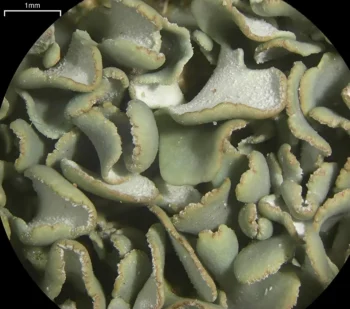
Have you ever noticed small, cup-shaped structures growing on soil, rocks, or decaying wood in your garden and wondered what they are? Meet the cup lichen (Cladonia polycarpoides), a fascinating organism that’s actually not a plant at all, but rather a remarkable partnership between fungi and algae working together as one.
What Exactly Is Cup Lichen?
Cup lichen belongs to the genus Cladonia and represents one of nature’s most successful collaborations. This isn’t your typical garden resident – it’s what scientists call a composite organism, where fungal threads provide structure and protection while algae contribute food through photosynthesis. Think of it as the ultimate roommate situation that’s been working perfectly for millions of years!
You might also encounter this species listed under its scientific synonym, Cladonia subcariosa, in older field guides or botanical references.
Where You’ll Find Cup Lichen
As a native species to North America, cup lichen has been quietly doing its job across the continent long before European settlement. You’ll typically spot these tiny cup-shaped structures in boreal and temperate regions, thriving in areas where most other organisms struggle to survive.
Identifying Cup Lichen in Your Garden
Cup lichen is surprisingly easy to identify once you know what to look for:
- Small, hollow, cup-shaped structures called podetia that rise from a crusty base
- Grayish-green to pale green coloration
- Typically grows 1-3 centimeters tall
- Found on acidic soil, rotting wood, or rocky surfaces
- Often grows in patches or clusters
Is Cup Lichen Beneficial for Your Garden?
While you can’t exactly plant cup lichen like you would a tomato, its presence in your garden is actually a wonderful sign! Here’s why you should appreciate these tiny ecosystem engineers:
- Air quality indicators: Lichens are incredibly sensitive to air pollution, so their presence suggests your garden enjoys clean air
- Soil pioneers: They help break down rock and organic matter, slowly building soil for future plant generations
- Habitat providers: Many small insects and invertebrates use lichens for shelter and food
- Natural beauty: They add subtle texture and interest to naturalistic garden designs
Creating Conditions Where Cup Lichen Thrives
You can’t grow cup lichen from seed or propagate it like traditional plants, but you can create conditions that welcome it naturally:
- Maintain areas with well-draining, acidic soil
- Provide spots with partial shade to full sun exposure
- Avoid over-fertilizing areas where you’d like to see lichens
- Leave some undisturbed patches in your garden
- Minimize chemical treatments that could harm these sensitive organisms
Cup Lichen in Garden Design
If you’re lucky enough to have cup lichen appear naturally in your garden, consider it a gift! These organisms work beautifully in:
- Woodland garden settings
- Rock gardens and alpine displays
- Naturalistic landscapes
- Areas designed to support native biodiversity
A Patient Garden Companion
Cup lichen operates on a completely different timeline than your annual flowers or vegetable garden. These slow-growing organisms can live for decades, quietly contributing to your garden’s ecosystem health. They’re perfectly adapted to harsh conditions and low-nutrient environments where other organisms can’t survive.
The next time you spot these small, cup-shaped structures in your garden, take a moment to appreciate the complex partnership at work. Cup lichen represents millions of years of evolutionary success and serves as a living reminder that some of the most important garden inhabitants are also the most humble and overlooked.
Rather than trying to cultivate cup lichen, focus on creating the kind of diverse, chemical-free environment where these remarkable organisms can discover and colonize your space naturally. Your patience will be rewarded with a garden that hosts one of nature’s most enduring and beneficial partnerships.