Cup Lichen: The Tiny Garden Guardian You Never Knew You Had
Have you ever noticed tiny, cup-shaped structures scattered across bare soil, old wood, or rocks in your garden? Meet the cup lichen (Cladonia subulata), a fascinating organism that’s probably been quietly living in your landscape longer than you realize. This isn’t your typical garden plant – it’s actually a lichen, which makes it quite special indeed!
What Exactly Is Cup Lichen?
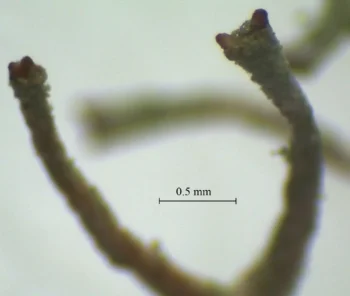
Cup lichen might look like a tiny plant, but it’s actually something much more interesting. Lichens are remarkable partnerships between fungi and algae, working together in perfect harmony. The cup lichen gets its name from its distinctive cup-like structures called podetia, which can range from pale greenish-gray to whitish in color. These little cups are actually the lichen’s way of reproducing – pretty clever for something without flowers!
You might also see this species referred to by its scientific synonym, Cladonia cornutoradiata, though Cladonia subulata is the accepted name today.
Where You’ll Find Cup Lichen
As a native species to North America, cup lichen has been part of our natural landscape for countless years. You can find it scattered across a wide range of habitats, from boreal forests down to temperate regions throughout the continent. It’s quite the traveler and adapts well to different conditions!
Spotting Cup Lichen in Your Garden
Identifying cup lichen is actually quite fun once you know what to look for:
- Small cup or funnel-shaped structures, usually less than an inch tall
- Pale greenish-gray to whitish coloration
- Growing directly from soil, decaying wood, or rock surfaces
- Often found in patches or scattered groups
- Dry, somewhat brittle texture when not moist
Is Cup Lichen Beneficial to Your Garden?
Absolutely! While you can’t exactly plant cup lichen like you would a flower, having it show up naturally in your garden is actually a wonderful sign. Here’s why you should appreciate these tiny organisms:
- Air quality indicator: Lichens are sensitive to air pollution, so their presence means you have relatively clean air
- Soil health sign: They often indicate well-draining, slightly acidic soil conditions
- Natural ground cover: They help prevent soil erosion on bare patches
- Ecosystem support: While they don’t attract pollinators like flowering plants, they’re part of the natural food web
Creating Lichen-Friendly Conditions
You can’t exactly grow cup lichen, but you can create conditions that welcome it to your garden naturally:
- Maintain areas of bare, well-draining soil
- Avoid using pesticides and chemicals that pollute the air
- Leave some natural, undisturbed areas in your landscape
- Don’t over-water areas where lichens appear
- Keep some spots with partial shade to full sun exposure
Living in Harmony with Cup Lichen
The best approach to cup lichen is simply to appreciate it when it appears. These hardy little organisms are incredibly resilient and can survive in conditions from USDA hardiness zones 2 through 8. They prefer spots with good air circulation and aren’t bothered by drought conditions.
If you’re lucky enough to have cup lichen in your garden, consider it a badge of honor – it means you’re maintaining a healthy, natural environment. Just remember to tread lightly around areas where they grow, as lichens can be slow to recover from disturbance.
The Bottom Line
Cup lichen may not be the showiest addition to your garden, but it’s certainly one of the most interesting. These remarkable organisms serve as tiny ambassadors for healthy ecosystems, quietly doing their part to maintain the natural balance in your landscape. Next time you spot those little cups scattered about, take a moment to appreciate these fascinating partnerships between fungi and algae – they’re proof that some of the most amazing things in nature come in very small packages!