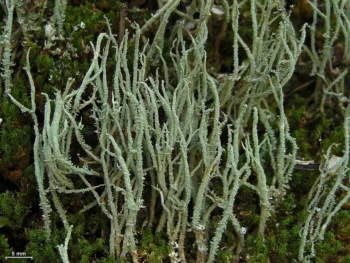
Cup Lichen: The Tiny Garden Helper You Never Knew You Had
Have you ever noticed small, grayish-green cup-shaped structures dotting the forest floor or even appearing in your own shaded garden beds? Meet the cup lichen (Cladonia subradiata), a fascinating organism that’s probably been quietly benefiting your outdoor space without you even realizing it!
What Exactly Is Cup Lichen?
Cup lichen isn’t actually a plant at all – it’s a lichen! This means it’s a remarkable partnership between a fungus and algae (or sometimes cyanobacteria) working together as one organism. The fungus provides structure and protection, while the algae produces food through photosynthesis. It’s like nature’s ultimate roommate situation, and it’s been working perfectly for millions of years.
Also known by its scientific name Cladonia subradiata, this little wonder is native to North America and can be found across a wide range of regions from boreal forests to temperate woodlands.
How to Spot Cup Lichen
Identifying cup lichen is easier than you might think once you know what to look for:
- Small, cup or funnel-shaped structures, typically 1-3 cm tall
- Grayish-green to pale green coloration
- Often grows in clusters on soil, moss, or decaying organic matter
- Appears in shaded, humid areas like forest floors or under shrubs
- May have small red or brown reproductive structures (apothecia) at the tips
Is Cup Lichen Good for Your Garden?
Absolutely! While you can’t exactly plant cup lichen like you would a tomato, its natural presence in your garden is actually a wonderful sign. Here’s why you should be happy to see it:
- Air quality indicator: Lichens are sensitive to air pollution, so their presence means your garden has relatively clean air
- Soil health: They help break down organic matter and can contribute to soil formation over time
- Ecosystem balance: Cup lichens are part of a healthy, biodiverse garden ecosystem
- Natural beauty: They add subtle texture and interest to woodland garden areas
Creating Lichen-Friendly Conditions
While you can’t plant cup lichen directly, you can certainly encourage its natural appearance by creating the right conditions:
- Maintain areas with partial to full shade
- Keep some spots with organic debris like fallen leaves
- Avoid heavy foot traffic in potential lichen areas
- Minimize chemical pesticides and fertilizers
- Allow natural moisture retention in shaded areas
A Word of Patience
If you’re hoping to see cup lichen in your garden, remember that lichens grow incredibly slowly – we’re talking millimeters per year! They also can’t be hurried along or transplanted successfully. The best approach is to create suitable habitat and let nature take its course.
The Bottom Line
Cup lichen (Cladonia subradiata) might not be the showstopper of your garden, but it’s definitely a sign that you’re doing something right. These tiny organisms indicate good air quality, contribute to ecosystem health, and add their own subtle charm to woodland areas. Rather than trying to cultivate them, simply appreciate them as nature’s little gift – a sign that your garden is a healthy, balanced environment where even the most delicate organisms can thrive.
So next time you’re wandering through your garden and spot these tiny cups scattered about, take a moment to appreciate these remarkable little partnerships between fungus and algae. They’re proof that sometimes the smallest things make the biggest difference in creating a thriving, natural garden ecosystem.