Cup Lichen: A Fascinating Natural Guest in Your Garden
Have you ever noticed tiny, pale green cup-shaped structures growing on old wood, soil, or rocks in your garden? You might be looking at cup lichen (Cladonia umbricola), one of nature’s most intriguing organisms that’s neither plant nor animal, but something wonderfully unique!
What Exactly Is Cup Lichen?
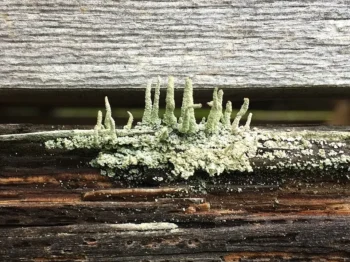
Cup lichen is actually a remarkable partnership between a fungus and an algae, working together in perfect harmony. This fascinating organism, scientifically known as Cladonia umbricola, gets its common name from the distinctive cup or goblet-shaped structures it forms, called podetia. These little cups can range from pale green to grayish in color and typically measure just a few millimeters to a couple of centimeters tall.
You might also encounter this species under its synonym name, Cladonia polydactyla, though cup lichen is the name most gardeners will recognize.
Where You’ll Find Cup Lichen
As a native species to North America, cup lichen has made itself at home across the continent’s temperate regions. You’re likely to spot these tiny cups growing on acidic soil, decaying wood, tree bases, or even rocks throughout many parts of the United States and Canada.
Is Cup Lichen Good for Your Garden?
While you won’t be planting cup lichen like you would a flower or shrub, finding it in your garden is actually a wonderful sign! Here’s why cup lichen can be beneficial:
- Air quality indicator: Lichens are sensitive to air pollution, so their presence suggests you have relatively clean air in your area
- Ecosystem health: They contribute to the overall biodiversity of your garden ecosystem
- Soil preparation: Over time, lichens help break down organic matter and contribute to soil formation
- Natural beauty: Their unique textures and forms add interesting visual elements to natural garden areas
How to Identify Cup Lichen
Spotting cup lichen is like finding tiny fairy goblets scattered around your garden! Here are the key features to look for:
- Shape: Small cup or funnel-shaped structures rising from a base
- Color: Pale green to gray-green, sometimes with reddish-brown tips
- Size: Usually less than 2 centimeters tall
- Habitat: Growing on soil, rotting wood, tree bark, or rocks
- Texture: Somewhat crusty or scaly appearance
Creating Lichen-Friendly Conditions
While you can’t exactly plant cup lichen, you can create conditions that welcome it naturally:
- Maintain areas of undisturbed soil and organic matter
- Keep some fallen logs or branches in naturalized areas
- Avoid using chemical pesticides or fertilizers in areas where lichens might grow
- Preserve older trees with interesting bark textures
- Allow some areas of your garden to remain wild and less manicured
The Bottom Line on Cup Lichen
Cup lichen isn’t something you’ll find at the garden center, and that’s perfectly fine! Instead, consider it a delightful bonus when it appears naturally in your garden. Its presence indicates a healthy, balanced ecosystem with good air quality. Rather than trying to remove it, embrace these tiny living sculptures as part of your garden’s natural charm.
Next time you’re wandering through your garden, take a moment to look closely at those little cups dotting your landscape. You’re witnessing one of nature’s most successful partnerships, quietly doing its part to keep your garden ecosystem thriving!