Cupey de Monte: A Resilient Native Shrub for Caribbean Gardens
If you’re gardening in Puerto Rico or other Caribbean locations, you might want to get acquainted with cupey de monte (Clusia minor). This unassuming native shrub has been quietly thriving in the Caribbean for ages, and it’s about time more gardeners discovered its practical benefits and understated charm.
What is Cupey de Monte?
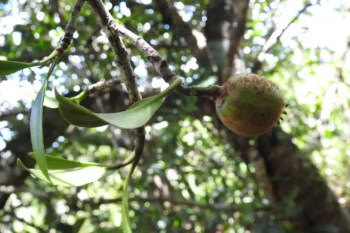
Cupey de monte is a perennial shrub that’s perfectly at home in Puerto Rico’s diverse landscapes. As a multi-stemmed woody plant, it typically stays under 13-16 feet tall, making it a manageable size for most garden situations. Its thick, leathery oval leaves give it a sturdy, no-nonsense appearance that says I can handle whatever weather you throw at me.
Where You’ll Find It Growing Wild
This resilient shrub is native to Puerto Rico, where it has adapted to thrive in various conditions across the island. You’ll spot it growing naturally in both wetland areas and drier locations, showcasing its remarkable adaptability.
- Species observed
- No observations
Why Consider Planting Cupey de Monte?
There are several compelling reasons to give this native plant a spot in your landscape:
- Versatile water tolerance: Thanks to its facultative wetland status, it handles both soggy and dry conditions with equal aplomb
- Low maintenance: Once established, it requires minimal fussing
- Native benefits: Supporting local ecosystems by choosing plants that naturally belong
- Coastal resilience: Tolerates salty air and coastal conditions
- Pollinator friendly: Small white to pinkish flowers attract bees and other beneficial insects
Perfect Garden Situations
Cupey de monte shines in several landscape scenarios:
- Coastal gardens where salt tolerance is crucial
- Rain gardens or areas with variable moisture
- Naturalized plantings that mimic local ecosystems
- Understory areas beneath taller trees
- Low-maintenance tropical landscapes
Growing Conditions and Care
The beauty of cupey de monte lies in its easygoing nature. Here’s what it prefers:
- Sunlight: Partial shade to full sun
- Soil: Adaptable to various soil types
- Water: Tolerates both wet and dry conditions once established
- Climate zones: USDA zones 10-11 (tropical and subtropical areas)
Planting and Establishment Tips
Getting your cupey de monte off to a good start is straightforward:
- Plant during the rainy season when possible to help with establishment
- Water regularly during the first few months until roots are well-established
- Choose a location with good drainage, even though it tolerates wet conditions
- Mulch around the base to retain moisture and suppress weeds
- Minimal pruning needed – just remove any dead or damaged branches
The Bottom Line
Cupey de monte might not be the flashiest plant in the garden center, but it’s exactly the kind of reliable, adaptable native that forms the backbone of sustainable Caribbean landscapes. If you’re in zones 10-11 and looking for a low-fuss shrub that supports local wildlife while handling whatever weather comes its way, this unsung hero deserves serious consideration.
Plus, there’s something satisfying about growing a plant that your local ecosystem already knows and loves – it’s like giving nature a helping hand while making your own gardening life easier.