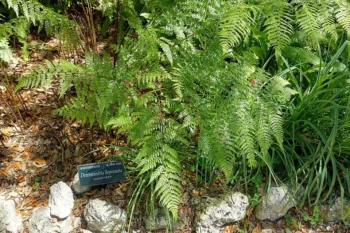
Cuplet Fern: A Rare Native Wetland Beauty for Specialized Gardens
If you’re a fern enthusiast or wetland gardener looking for something truly special, the cuplet fern (Dennstaedtia bipinnata) might just be the hidden gem you’ve been searching for. This native fern is one of those delightfully elusive plants that adds authenticity and ecological value to the right garden setting.
What Is Cuplet Fern?
Cuplet fern is a perennial native fern that calls the southeastern United States and Caribbean home. Unlike its more famous cousin, the hay-scented fern, this species has carved out a niche in wetland environments where it quietly goes about its business of creating lush, green carpets in nature’s soggy spots.
You might also see this fern referenced by its botanical synonym, Dennstaedtia adiantoides, in older botanical texts, but Dennstaedtia bipinnata is the accepted name today.
Where Does Cuplet Fern Grow Naturally?
This native beauty has a rather exclusive address list – you’ll find it naturally occurring in Florida and Puerto Rico. It’s truly a plant of the Deep South and tropical regions, making it a authentic choice for gardeners in these areas who want to celebrate their local flora.
- Species observed
- No observations
The Wetland Connection
Here’s where cuplet fern gets really interesting from a gardening perspective. This fern has different wetland preferences depending on where it grows:
- In Florida (Atlantic and Gulf Coastal Plain): It’s classified as an Obligate Wetland plant, meaning it almost always needs wet conditions to thrive
- In the Caribbean region: It’s more flexible as a Facultative wetland plant, tolerating both wet and somewhat drier conditions
This wetland preference makes cuplet fern an excellent choice for rain gardens, bog gardens, or naturally wet areas of your landscape that other plants might find challenging.
Is Cuplet Fern Right for Your Garden?
Cuplet fern is perfect for gardeners who:
- Have naturally wet or boggy areas in their landscape
- Are creating rain gardens or wetland restoration projects
- Live in Florida or Puerto Rico and want authentic native plants
- Appreciate the subtle beauty of native ferns
- Want to support local ecosystems with indigenous plants
However, this might not be the fern for you if you’re looking for a drought-tolerant groundcover or live outside its natural range. Its specialized wetland requirements mean it won’t adapt well to typical garden conditions.
The Benefits of Growing Native Ferns
While we don’t have specific wildlife benefit data for cuplet fern, native ferns in general provide important ecological services. They offer shelter for small wildlife, help prevent soil erosion in wet areas, and contribute to the complex web of native plant communities that support local biodiversity.
Plus, there’s something deeply satisfying about growing a plant that has been quietly beautifying your local landscape for centuries!
A Word About Availability
Because cuplet fern isn’t commonly cultivated, finding it at your local nursery might be a challenge. If you’re interested in adding this native beauty to your wetland garden, you’ll likely need to seek out specialty native plant nurseries or botanical societies in Florida or Puerto Rico.
The limited availability actually makes this fern even more special – it’s like having a piece of authentic, untouched Florida or Caribbean wilderness right in your backyard.
The Bottom Line
Cuplet fern may not be the showiest plant in the garden, but for the right gardener in the right location, it’s pure gold. If you have wet areas that need native plants and you’re lucky enough to live within this fern’s natural range, cuplet fern could be the perfect way to create an authentic slice of local habitat while solving a challenging landscaping situation.
Remember, the best gardens work with nature rather than against it – and sometimes that means embracing the wonderful, water-loving natives that have been thriving in your area all along.