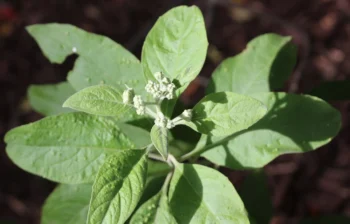
Cure for All: A Versatile Native Shrub for Southern Gardens
Ever wondered about a plant with such a confident name as cure for all? Meet Pluchea carolinensis, a hardy native shrub that’s been quietly doing its thing in wetlands and coastal areas across the southeastern United States for centuries. Also known as sourbush, this unassuming perennial might not actually cure everything (despite its bold common name), but it certainly brings plenty of benefits to the right garden setting.
Where You’ll Find Cure for All Growing Wild
This adaptable shrub calls the southeastern United States home, thriving naturally in states like Florida and extending its reach to Puerto Rico and the U.S. Virgin Islands. You’ll also spot it growing in Hawaii, Guam, Palau, and other Pacific islands, though it’s considered non-native in these locations, having been introduced and now reproducing on its own in the wild.
- Species observed
- No observations
What Makes This Shrub Special
Cure for all grows as a multi-stemmed woody perennial that typically stays under 13-16 feet tall, though it usually remains much smaller in garden settings. Its small, clustered flowers range from white to pinkish hues and bloom in dense, somewhat flat-topped arrangements that pollinators absolutely love. The aromatic foliage adds an interesting sensory element to any garden space.
This shrub falls into the facultative wetland category in most regions, meaning it’s perfectly happy in both wet and drier conditions – talk about adaptable! In Hawaii, it’s classified as simply facultative, showing even more flexibility between wetland and upland sites.
Should You Plant Cure for All?
If you’re gardening in the southeastern United States, Puerto Rico, or the U.S. Virgin Islands, cure for all makes an excellent choice for:
- Native plant gardens focusing on regional flora
- Wildlife and pollinator gardens
- Rain gardens and wetland restoration projects
- Coastal landscapes where salt tolerance matters
- Low-maintenance informal hedging
For gardeners in Hawaii and other Pacific locations where this plant isn’t native, consider exploring indigenous alternatives that provide similar benefits while supporting local ecosystems. Your local native plant society can recommend excellent regional substitutes.
Growing Cure for All Successfully
This shrub is wonderfully low-maintenance once you understand its preferences. Here’s what cure for all needs to thrive:
Climate Requirements: Hardy in USDA zones 9-11, making it perfect for warm, subtropical regions.
Light and Location: Prefers full sun but tolerates partial shade. Choose a spot where it can spread naturally without crowding other plants.
Soil Preferences: Thrives in moist to wet soils but adapts to various soil types. Excellent drainage isn’t critical – this plant actually appreciates consistent moisture.
Watering: Water regularly during establishment, but once settled, cure for all becomes quite drought tolerant. It’s particularly valuable in areas with inconsistent rainfall.
Planting and Care Tips
Spring planting gives cure for all the best start in most regions. Dig a hole twice as wide as the root ball but no deeper, and backfill with native soil rather than amendments – this tough plant prefers to adapt to existing conditions.
Maintenance is refreshingly simple. Occasional pruning helps maintain shape and prevents the shrub from becoming too leggy, but it’s not strictly necessary. The plant’s natural form has its own informal charm that works well in naturalistic landscapes.
Watch for the delightful parade of pollinators that cure for all attracts. Butterflies, bees, and various other beneficial insects find its flowers irresistible, making it a valuable addition to any wildlife-friendly garden.
The Bottom Line
While cure for all might not live up to its ambitious common name in terms of medicinal properties, it certainly offers plenty of garden benefits. For native plant enthusiasts in its home range, this shrub provides low-maintenance beauty, valuable wildlife habitat, and the satisfaction of growing a truly regional species. Just remember to choose plants appropriate for your specific location – sometimes the best cure for garden challenges is simply planting what belongs there naturally.