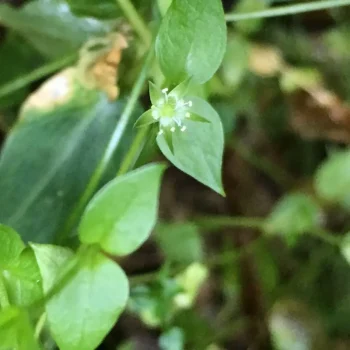
Curled Starwort: A Delicate Native Groundcover for Cool Climate Gardens
If you’re looking for a charming native groundcover that thrives in cooler climates, curled starwort (Stellaria crispa) might just be the perfect addition to your garden. This delightful little perennial brings a touch of woodland magic with its tiny white star-shaped flowers and low-growing habit.
What is Curled Starwort?
Curled starwort is a native North American perennial forb that belongs to the carnation family. As a forb, it’s a non-woody plant that dies back to ground level each winter but returns reliably each spring from its perennial roots. Don’t let its delicate appearance fool you – this little plant is tougher than it looks!
You might also encounter this plant listed under its botanical synonyms, including Alsine crispa or Stellaria borealis var. crispa, but they’re all referring to the same charming species.
Where Does Curled Starwort Grow Naturally?
This native beauty has an impressive range across northern North America. You’ll find it naturally growing throughout Alaska, western and central Canada, and across many western states including California, Idaho, Montana, Nevada, Oregon, Washington, and Wyoming. It’s truly a plant that knows how to handle diverse climates and conditions!
- Species observed
- No observations
Why Grow Curled Starwort?
There are several compelling reasons to consider adding this native gem to your landscape:
- Native plant benefits: Supporting local ecosystems and wildlife
- Low maintenance: Once established, it requires minimal care
- Versatile growing conditions: Adapts to both wetland and non-wetland environments
- Pollinator support: Small white flowers attract beneficial insects
- Ground coverage: Creates a delicate carpet in naturalized areas
- Cold hardy: Thrives in USDA zones 2-7
Garden Design and Landscape Uses
Curled starwort shines in several garden settings. It’s particularly at home in:
- Rock gardens and alpine plantings
- Woodland gardens and naturalized areas
- Native plant landscapes
- Areas where you want gentle, low-growing ground coverage
- Transitional zones between formal gardens and wild spaces
This plant works beautifully as an understory groundcover, weaving between larger native plants and filling in gaps with its delicate presence.
Growing Conditions and Care
One of the best things about curled starwort is its adaptability. According to wetland status classifications, it can thrive in both wetland and non-wetland conditions across most of its range, making it quite flexible for different garden situations.
For best results, provide:
- Light: Partial shade to full sun
- Soil: Well-draining soil with consistent moisture
- Climate: Cool to moderate temperatures (USDA zones 2-7)
- Water: Regular moisture, especially during establishment
Planting and Maintenance Tips
Getting started with curled starwort is relatively straightforward:
- Plant in spring or fall when temperatures are moderate
- Space plants to allow for natural spreading
- Water regularly during the first growing season
- Once established, the plant typically requires minimal intervention
- Allow it to naturalize and spread as desired
The beauty of this native plant is that it knows how to take care of itself once it’s settled in your garden.
Supporting Wildlife
While curled starwort may be small, it plays its part in supporting local ecosystems. The small white flowers provide nectar for tiny pollinators, and as a native species, it has co-evolved relationships with local wildlife that non-native plants simply can’t replicate.
Is Curled Starwort Right for Your Garden?
If you garden in the cooler regions of North America and appreciate understated beauty, curled starwort could be a wonderful addition to your native plant palette. It’s particularly appealing to gardeners who enjoy watching their landscapes evolve naturally and who want to support local ecosystems with appropriate native species.
This little starwort may not be the showiest plant in your garden, but sometimes the most rewarding plants are those that quietly contribute to the overall harmony of your outdoor space. Give curled starwort a try – you might just find yourself charmed by its gentle presence and easy-going nature.