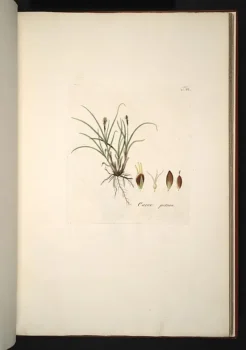
Curly Sedge: A Hardy Native for Rock Gardens and Alpine Landscapes
If you’re looking for a tough, low-maintenance native plant that can handle harsh conditions with grace, meet curly sedge (Carex rupestris). This unassuming little sedge might not win any beauty contests, but it’s the kind of reliable, hardworking plant that every gardener needs in their toolkit – especially if you’re dealing with challenging growing conditions or want to create authentic naturalized landscapes.
What Is Curly Sedge?
Curly sedge is a perennial grass-like plant that belongs to the sedge family (Cyperaceae). Don’t let the grass-like description fool you into thinking it’s high-maintenance lawn material – this is a completely different beast. As its common name suggests, this sedge has narrow leaves that tend to curl, creating an interesting textural element in the garden. The plant forms small, neat tufts and produces inconspicuous brownish flower spikes that won’t steal the show but add subtle interest.
Where Does Curly Sedge Come From?
This hardy little sedge is truly a North American native with an impressive range. It’s naturally found across Alaska, Canada (including Alberta, British Columbia, Manitoba, Ontario, Quebec, Yukon, Northwest Territories, and Nunavut), and extends into Greenland. In the lower 48 states, you’ll find it in Colorado, Idaho, Montana, New Mexico, South Dakota, Utah, and Wyoming – basically, the mountainous and northern regions where conditions can be pretty tough.
- Species observed
- No observations
Why Would You Want to Grow Curly Sedge?
Let’s be honest – curly sedge isn’t going to be the star of your flower border. But here’s why you might want to consider it:
- Extremely hardy: This plant can handle USDA hardiness zones 2-7, meaning it laughs in the face of harsh winters
- Drought tolerant: Once established, it can handle dry conditions like a champ
- Low maintenance: Perfect for gardeners who want native plants without the fuss
- Erosion control: Great for stabilizing slopes and rocky areas
- Wildlife value: While it’s wind-pollinated (so no butterfly magnet), birds appreciate the seeds
- Authentic look: Perfect for naturalized mountain landscapes and native plant gardens
Where Does Curly Sedge Fit in Your Garden?
Curly sedge shines in specific situations rather than trying to be everything to everyone. It’s perfect for:
- Rock gardens: Its compact size and tough nature make it ideal for tucking between stones
- Alpine gardens: This is where it really feels at home, mimicking its natural mountain habitat
- Xeriscaping projects: Once established, it needs minimal water
- Naturalized areas: Great for recreating authentic mountain meadow or prairie edge conditions
- Problem areas: Those spots where nothing else seems to thrive might be perfect for curly sedge
Growing Conditions and Care
The good news is that curly sedge isn’t particularly picky, as long as you meet its basic needs:
Soil: The key word here is drainage. This sedge absolutely must have well-drained soil – think rocky, sandy, or gravelly rather than rich and moisture-retentive. It’s naturally found in areas with excellent drainage, so soggy soil is a no-go.
Light: Full sun to partial shade works fine, though it tends to be more compact in sunnier locations.
Water: While it can handle drought once established, give new plants regular water their first season to help them get established. After that, natural rainfall should be sufficient in most areas.
Wetland Status: Interestingly, curly sedge is classified as Facultative Upland across its range, meaning it usually grows in non-wetland areas but can occasionally tolerate some moisture. This gives you a bit of flexibility in placement.
Planting and Care Tips
Getting curly sedge established is pretty straightforward:
- Timing: Plant in spring after the last frost danger has passed
- Soil prep: If your soil is heavy clay, work in coarse sand or small gravel to improve drainage
- Fertilizer: Skip it. This plant is adapted to lean soils and too much nutrition can make it soft and prone to problems
- Watering: Water regularly the first season, then back off and let nature take over
- Maintenance: Practically none required. You can trim back old foliage in late winter if desired, but it’s not necessary
Is Curly Sedge Right for You?
Curly sedge is definitely a niche plant rather than a garden superstar. It’s perfect if you’re creating naturalized mountain landscapes, need something tough for difficult spots, or are passionate about growing authentic native plants. It’s also great for low-maintenance gardening situations where you want something that can essentially take care of itself.
However, if you’re looking for showy flowers, lush foliage, or a plant that makes a bold statement, you might want to look elsewhere. This is a subtle, workmanlike plant that does its job quietly and efficiently.
For gardeners in its native range who want to create authentic, low-maintenance landscapes that support local ecosystems, curly sedge is definitely worth considering. It may not be flashy, but sometimes the best plants are the ones that simply do their job well year after year, asking for nothing in return.