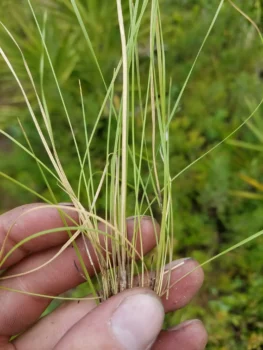
Curtis’ Dropseed: A Rare Southeastern Native Worth Protecting in Your Garden
Meet Curtis’ dropseed (Sporobolus curtissii), a delicate native grass that’s quietly making a big difference in southeastern ecosystems. This unassuming perennial might not be the showiest plant in your garden, but it packs a powerful punch when it comes to supporting local wildlife and preserving our natural heritage.
Where Does Curtis’ Dropseed Call Home?
Curtis’ dropseed is a true southeastern native, naturally occurring in Alabama, Florida, Georgia, and South Carolina. This grass has evolved specifically for life in the coastal plain regions of these states, making it perfectly adapted to local growing conditions.
- Species observed
- No observations
Why This Little Grass Deserves Your Attention
Here’s where things get serious: Curtis’ dropseed is considered vulnerable throughout its range. With a Global Conservation Status of S3, this species is rare and local, typically found in only 21 to 100 locations. In Alabama, it’s even more precarious with an S1 rarity status, meaning it’s critically imperiled in that state.
But here’s the exciting part – by growing Curtis’ dropseed in your garden, you’re becoming a conservation hero! You’re helping preserve a piece of our natural heritage while creating habitat for local wildlife.
What Makes Curtis’ Dropseed Special?
This charming perennial grass brings subtle beauty to any landscape with its:
- Fine-textured, delicate foliage that sways gracefully in the breeze
- Airy seed heads that add movement and texture
- Low-growing habit that works well as groundcover
- Year-round interest as a perennial grass
Perfect Garden Companions and Landscapes
Curtis’ dropseed shines in:
- Native plant gardens where it supports local ecosystems
- Coastal and seaside landscapes
- Rain gardens and naturalistic plantings
- Restoration projects
- Low-maintenance groundcover areas
With its facultative upland status, this adaptable grass usually prefers non-wetland conditions but can handle some moisture, making it versatile for various garden situations.
Growing Curtis’ Dropseed Successfully
The good news? Once you get your hands on this rare beauty, it’s surprisingly easy to grow!
Climate Requirements: Thrives in USDA zones 8-10, perfectly suited to the warm southeastern climate.
Ideal Growing Conditions:
- Sandy, well-draining soils (it loves coastal conditions!)
- Full sun to partial shade
- Tolerates both wet and dry periods once established
- Low maintenance requirements
Planting and Care Tips:
- Plant in spring for best establishment
- Minimal watering needed after the first growing season
- No fertilizer required – it prefers lean soils
- Little to no pruning necessary
Supporting Wildlife While You Garden
Curtis’ dropseed is more than just a pretty face – it’s a wildlife magnet! The seeds provide food for native birds, while the grass structure offers nesting material and habitat for beneficial insects. By planting this native grass, you’re creating a mini wildlife sanctuary right in your backyard.
The Responsible Way to Grow Curtis’ Dropseed
Here’s the most important part: because Curtis’ dropseed is rare, it’s crucial to source your plants responsibly. Never collect from wild populations! Instead:
- Purchase from reputable native plant nurseries
- Look for nursery-propagated plants, not wild-collected specimens
- Consider participating in seed collection programs with conservation organizations
- Share seeds with other gardeners to help spread this valuable species
The Bottom Line
Curtis’ dropseed might be small and rare, but it’s mighty in impact. By choosing this vulnerable native grass, you’re not just adding a beautiful, low-maintenance plant to your garden – you’re joining a conservation effort. Every Curtis’ dropseed in cultivation is a victory for biodiversity and a step toward preserving our southeastern heritage for future generations.
So go ahead, make room for this little grass with a big purpose. Your garden – and the local wildlife – will thank you!