Curtis’ Phaeocalicium Lichen: A Tiny Bark-Dwelling Wonder
Have you ever taken a close look at the bark of trees in your yard and noticed tiny, cup-shaped structures that look almost like miniature golf tees? You might be looking at Curtis’ phaeocalicium lichen (Phaeocalicium curtisii), a fascinating little organism that’s more common than you might think!
What Exactly Is Curtis’ Phaeocalicium Lichen?
Curtis’ phaeocalicium lichen isn’t actually a plant at all – it’s a lichen! Lichens are remarkable partnerships between fungi and algae (or sometimes cyanobacteria) that work together to create something entirely unique. The fungal partner provides structure and protection, while the algae partner produces food through photosynthesis. It’s like nature’s perfect roommate situation!
This particular lichen species is native to North America and was previously known by the scientific synonym Calicium curtisii Tuck. Don’t let the fancy name intimidate you – once you know what to look for, you’ll start spotting these little guys everywhere.
Where Does It Call Home?
Curtis’ phaeocalicium lichen has made itself at home across eastern North America, with documented populations particularly prevalent in the southeastern United States. You’re most likely to encounter it in areas with clean air and appropriate humidity levels.
How to Identify Curtis’ Phaeocalicium Lichen
Spotting this lichen is like going on a miniature treasure hunt! Here’s what to look for:
- Small, cup-shaped or disc-like fruiting bodies that sit atop slender stalks
- Brownish-black coloration on the fruiting structures
- Growing directly on tree bark (they’re what we call epiphytic)
- Tiny size – you’ll need to look closely or use a magnifying glass for the best view
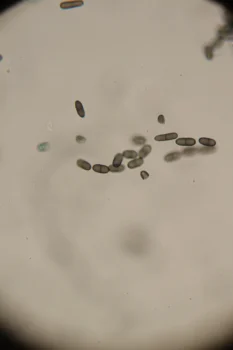
The distinctive stalked appearance is what really sets this lichen apart from others you might find on tree bark. Those little golf tees are actually the lichen’s way of reproducing – they’re called apothecia, and they contain spores.
Is It Beneficial to Have in Your Garden?
Here’s the cool part: if you spot Curtis’ phaeocalicium lichen in your yard, it’s actually a good sign! Lichens are incredibly sensitive to air pollution, so their presence indicates that you have relatively clean air in your area. Think of them as nature’s own air quality monitors.
While you can’t exactly plant or cultivate lichens like you would traditional garden plants, having them around is definitely beneficial:
- They indicate good environmental health
- They add biodiversity to your landscape
- They don’t harm the trees they grow on
- They contribute to the complex ecosystem in your yard
Can You Encourage Them in Your Garden?
You can’t plant Curtis’ phaeocalicium lichen from a nursery catalog, but you can create conditions that make your yard more welcoming to lichens in general:
- Avoid using chemical pesticides and herbicides
- Maintain mature trees with textured bark
- Keep air quality clean around your property
- Allow for natural moisture levels rather than over-watering or creating overly dry conditions
The Bottom Line
Curtis’ phaeocalicium lichen might be small, but it’s a fantastic indicator that your local environment is healthy and thriving. The next time you’re wandering around your yard, take a moment to examine the bark of your trees closely. You might just discover a whole miniature world of lichens that you never noticed before!
Remember, these little organisms are doing important work in your ecosystem, even if they’re not showy like your favorite flowering plants. Sometimes the smallest residents of our gardens are the ones working hardest behind the scenes.