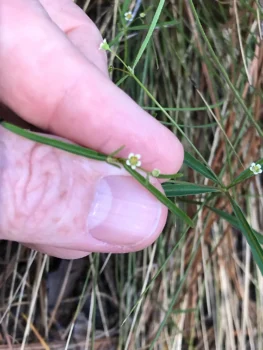
Curtis’ Spurge: A Hidden Gem for Southeastern Native Gardens
If you’re looking to add some authentic southeastern charm to your garden, let me introduce you to Curtis’ spurge (Euphorbia curtisii) – a delightful native shrub that’s been quietly thriving in the Southeast long before any of us started worrying about landscaping. This little-known perennial deserves a spot on your radar if you’re passionate about native plants and supporting local ecosystems.
What Exactly is Curtis’ Spurge?
Curtis’ spurge is a perennial shrub that typically stays under 13-16 feet tall, making it perfect for most residential landscapes. Like other members of the euphorbia family, it produces the characteristic milky sap and has a multi-stemmed growth habit that creates an attractive, bushy appearance. You might also see it listed under its scientific synonyms Tithymalopsis curtisii or Tithymalopsis eriogonoides in older botanical references.
Where Does Curtis’ Spurge Call Home?
This charming native is truly a southeastern specialty, naturally occurring in Alabama, Florida, Georgia, North Carolina, and South Carolina. It’s perfectly adapted to the climate and growing conditions of these regions, from the Atlantic and Gulf Coastal Plains to the Eastern Mountains and Piedmont areas.
- Species observed
- No observations
Why Should You Consider Growing Curtis’ Spurge?
Here’s where things get exciting for native plant enthusiasts:
- True Native Status: This isn’t just native-ish – it’s the real deal, evolved specifically for southeastern conditions
- Low Maintenance: Once established, native plants like Curtis’ spurge typically require less water, fertilizer, and fussing than non-native alternatives
- Ecosystem Support: Native plants provide the best support for local wildlife, including pollinators and beneficial insects
- Climate Adapted: It already knows how to handle your local weather patterns, soil types, and seasonal changes
Growing Conditions and Care
Curtis’ spurge is remarkably adaptable, which explains its facultative wetland status – meaning it can thrive in both wetland and non-wetland conditions. This flexibility makes it an excellent choice for various garden situations.
USDA Hardiness Zones: Based on its native range, Curtis’ spurge should thrive in zones 8-10, making it perfect for most southeastern gardens.
Ideal Growing Conditions:
- Well-draining soil (though it can handle some moisture variation)
- Partial to full sun exposure
- Minimal watering once established
- Little to no fertilizer needed
Planting and Care Tips
Getting Curtis’ spurge established in your garden is refreshingly straightforward:
- Planting: Spring or fall are ideal planting times in the Southeast
- Spacing: Give it room to develop its natural multi-stemmed form
- Watering: Water regularly the first season, then let nature take over
- Safety Note: Like all euphorbias, Curtis’ spurge produces a milky sap that can be irritating to skin and eyes – wear gloves when handling
Garden Design Ideas
Curtis’ spurge works beautifully in:
- Native plant gardens and naturalized areas
- Mixed perennial borders
- Coastal and drought-tolerant landscapes
- Wildlife and pollinator gardens
- Low-maintenance foundation plantings
The Bottom Line
Curtis’ spurge may not be the showiest plant in the garden center, but it offers something far more valuable – authentic regional character and ecological benefits that only come from true native species. If you’re gardening in the Southeast and want to create landscapes that truly belong to your area, Curtis’ spurge deserves serious consideration. It’s one of those quiet champions that asks for little but gives back plenty to both your garden and the local ecosystem.
Plus, there’s something deeply satisfying about growing a plant that your great-great-grandparents might have encountered in the wild – it’s like having a living piece of regional history right in your backyard.