Curtis’ Star-Grass: A Delicate Native Gem for Wetland Gardens
If you’re looking to add a touch of understated elegance to your native garden, Curtis’ star-grass (Hypoxis curtissii) might just be the perfect choice. This charming little perennial brings tiny bursts of sunshine to wet areas where many other flowering plants struggle to thrive.
What Makes Curtis’ Star-Grass Special?
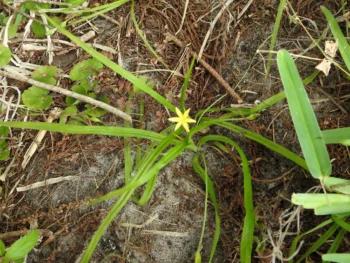
Curtis’ star-grass is a native forb that produces delicate, six-petaled yellow flowers that truly resemble tiny stars scattered across grass-like foliage. Unlike showier garden favorites, this plant offers subtle beauty that rewards close observation. The small blooms appear throughout spring and summer, creating gentle drifts of color in naturalized settings.
As a perennial herb, Curtis’ star-grass lacks woody stems but returns year after year from underground structures, making it a reliable addition to your garden once established.
Where Curtis’ Star-Grass Calls Home
This southeastern native has made itself at home across eight states: Alabama, Florida, Georgia, Louisiana, Mississippi, North Carolina, South Carolina, and Texas. It’s perfectly adapted to the warm, humid conditions of the southeastern United States.
- Species observed
- No observations
Important Conservation Note
Before you rush to add Curtis’ star-grass to your garden, there’s something important to know: this species has a rarity status of S1 in Arkansas, meaning it’s critically imperiled in that state. If you’re interested in growing this plant, please only source it from reputable native plant nurseries that propagate their stock responsibly rather than collecting from wild populations.
Perfect Spots for Curtis’ Star-Grass
Curtis’ star-grass thrives in USDA hardiness zones 8-10, making it ideal for southern gardeners. Its wetland status as Facultative Wetland means it usually prefers moist conditions but can adapt to drier spots when needed.
This adaptable native works beautifully in:
- Rain gardens and bioswales
- Meadow gardens and prairies
- Wetland restoration areas
- Native plant communities
- Naturalized landscapes
Growing Conditions That Make It Happy
Curtis’ star-grass appreciates:
- Moist to wet soils (though it can handle some drought)
- Full sun to partial shade
- Areas that experience seasonal flooding
- Well-draining soils that don’t stay waterlogged year-round
Benefits for Wildlife and Pollinators
While Curtis’ star-grass may seem modest, it plays an important role in supporting local ecosystems. The small yellow flowers attract native bees, small butterflies, and other pollinators who appreciate the accessible nectar source. As part of a diverse native plant community, it contributes to the complex web of relationships that support healthy wildlife populations.
Planting and Care Tips
Getting Curtis’ star-grass established is relatively straightforward:
- Plant in spring after the last frost
- Ensure consistent moisture, especially during the first growing season
- Mulch lightly to retain soil moisture
- Be patient – like many natives, it may take time to establish
- Allow the plant to go dormant naturally during extreme heat or drought
- Minimal fertilization needed – native plants prefer lean soils
Why Choose Curtis’ Star-Grass?
While Curtis’ star-grass won’t win any awards for showiness, it offers something increasingly rare in our gardens: quiet beauty and ecological value. It’s perfect for gardeners who appreciate subtle charm and want to support native wildlife while creating naturalized spaces that feel like extensions of the local landscape.
By choosing responsibly sourced Curtis’ star-grass, you’re not only adding a unique native to your garden but also supporting conservation efforts for this special southeastern species. Sometimes the most rewarding garden additions are the ones that whisper rather than shout.