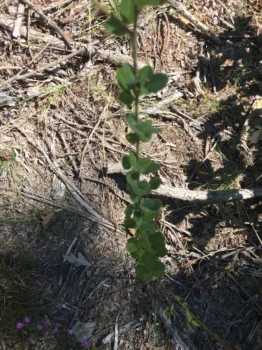
Curtiss’ Lespedeza: A Lesser-Known Native Wildflower
If you’re on the hunt for native plants that fly under the radar, Curtiss’ lespedeza (Lespedeza hirta curtissii) might just be your next discovery. This perennial wildflower is one of those plants that doesn’t make it into every gardening magazine, but it has its own quiet charm for those who appreciate native flora.
What Exactly is Curtiss’ Lespedeza?
Curtiss’ lespedeza is a native perennial forb – essentially a non-woody flowering plant that comes back year after year. As a member of the legume family, it’s related to more familiar plants like clover and beans. You might also see it listed under its synonym Lespedeza hirta var. curtissii in some botanical references, but don’t let the scientific names intimidate you!
Where Does It Call Home?
This native beauty has quite a southern personality, naturally occurring across several southeastern states. You’ll find wild populations stretching from Virginia down through the Carolinas, into Georgia, Florida, Alabama, and as far west as Louisiana. It’s a true child of the American Southeast, adapted to the climate and conditions of this region.
- Species observed
- No observations
Should You Plant Curtiss’ Lespedeza?
Here’s where things get a bit tricky – and honest. While Curtiss’ lespedeza has the wonderful advantage of being native to the Southeast, there’s surprisingly little information available about growing it in home gardens. This could mean a few things:
- It might be difficult to find in the nursery trade
- It could be more suited to natural areas than cultivated gardens
- It might simply be overshadowed by showier native alternatives
The good news is that being native means it’s naturally adapted to local conditions and likely supports native wildlife in ways that non-native plants simply can’t match.
Growing Conditions and Care
Unfortunately, specific growing requirements for Curtiss’ lespedeza aren’t well-documented in horticultural sources. As a southeastern native and member of the legume family, it likely prefers:
- Full sun to partial shade conditions
- Well-draining soils
- Moderate water needs once established
- Minimal fertilization (legumes often fix their own nitrogen)
If you’re determined to try growing this native, your best bet might be contacting local native plant societies or botanical gardens in the Southeast for growing advice and potential sources.
Alternative Native Options
If Curtiss’ lespedeza proves elusive, don’t despair! The Southeast is blessed with many other native lespedeza species and related legumes that are more readily available and better documented for garden use. Consider looking into other native wildflowers and grasses that share similar habitats and can provide the same ecological benefits.
The Bottom Line
Curtiss’ lespedeza represents one of those interesting native plants that exists in a sort of horticultural gray area. While its native status makes it ecologically valuable, the lack of cultivation information means it might be better appreciated in its natural habitat rather than in home gardens. If you do encounter it in the wild during your southeastern adventures, take a moment to appreciate this quiet native – just remember to leave it where you found it!