Curtiss’ Milkweed: A Rare Florida Native Worth Growing Responsibly
Meet Curtiss’ milkweed (Asclepias curtissii), a charming and uncommon native that deserves a special place in Florida gardens. This delicate perennial milkweed might not be as flashy as some of its cousins, but it packs a punch when it comes to supporting local wildlife and adding authentic Florida character to your landscape.
What Makes Curtiss’ Milkweed Special?
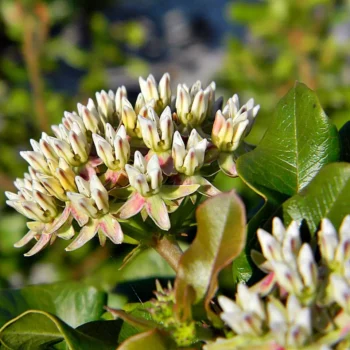
Curtiss’ milkweed is a true Florida original – it’s found nowhere else in the world except the Sunshine State. This endemic species produces clusters of small, white to pale pink flowers that may look modest at first glance, but they’re absolutely irresistible to butterflies, bees, and other pollinators. The narrow, linear leaves give the plant a delicate, grass-like appearance that adds textural interest to any garden.
As a perennial, this milkweed will return year after year, gradually forming small colonies that become more beautiful with time. Don’t expect a towering giant – Curtiss’ milkweed tends to stay relatively compact, making it perfect for smaller gardens or as part of a diverse native plant community.
Where Does It Grow Naturally?
Curtiss’ milkweed calls Florida home, particularly thriving in the central and southern regions of the state. You’ll find it growing naturally in sandy soils, often in areas that experience seasonal flooding followed by dry periods.
- Species observed
- No observations
A Word About Rarity
Here’s something important every Florida gardener should know: Curtiss’ milkweed is considered vulnerable, with a conservation status of S3. This means it’s at risk in the wild due to habitat loss and other pressures. While this might sound alarming, it’s actually a great reason to include this species in your garden – but only with responsibly sourced plants.
Never collect plants or seeds from wild populations. Instead, purchase from reputable native plant nurseries that propagate their stock ethically. By growing Curtiss’ milkweed in your garden, you’re helping preserve this special Florida native for future generations.
Perfect for Florida Gardens
If you’re creating a native Florida garden, wildflower meadow, or pollinator paradise, Curtiss’ milkweed is an excellent choice. It thrives in USDA hardiness zones 9-11, which covers most of Florida’s climate range. This milkweed is particularly well-suited for:
- Native plant gardens showcasing Florida’s unique flora
- Drought-tolerant landscapes
- Pollinator and butterfly gardens
- Rain gardens and areas with seasonal moisture changes
- Conservation plantings
Growing Curtiss’ Milkweed Successfully
The good news is that once established, Curtiss’ milkweed is relatively low-maintenance. Like most milkweeds, it prefers full sun and well-drained soil. Sandy soils are ideal, which works perfectly since that’s what much of Florida offers naturally.
Here are some key growing tips:
- Plant in full sun for best flowering
- Ensure good drainage – soggy soil can lead to root rot
- Water regularly during the first growing season, then reduce watering as the plant becomes drought-tolerant
- Avoid fertilizers, which can actually reduce flowering
- Allow seeds to mature and disperse naturally to encourage self-seeding
Wildlife Benefits That Matter
Like all milkweeds, Curtiss’ milkweed is a superstar for supporting native wildlife. Monarch butterflies can use it as a host plant for their caterpillars, while the nectar-rich flowers attract a variety of butterflies, native bees, and other beneficial insects. By planting this species, you’re creating a valuable stop on the monarch migration route and supporting Florida’s native pollinator communities.
The Bottom Line
Curtiss’ milkweed may be rare, but that makes it all the more special for Florida gardeners who want to make a real difference. This beautiful native offers year-round garden interest, supports critical wildlife, and connects your landscape to Florida’s unique natural heritage. Just remember to source your plants responsibly from ethical nurseries – your garden and Florida’s wild spaces will thank you.
Ready to add this Florida treasure to your garden? Seek out specialty native plant nurseries or native plant society sales where you can find responsibly propagated Curtiss’ milkweed. It’s a small plant that makes a big impact.