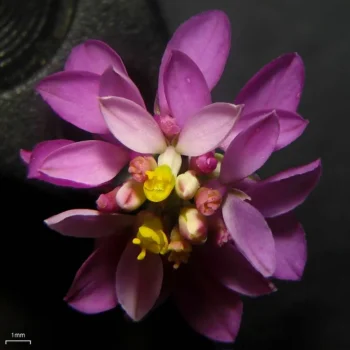
Curtiss’ Milkwort: A Rare Native Gem for Your Wildflower Garden
Meet Curtiss’ milkwort (Polygala curtissii), a charming little annual wildflower that’s as delicate as it is special. This petite native beauty might not be the showiest plant in your garden, but it carries a story worth telling and plays an important role in supporting our local ecosystems.
A True American Native
Curtiss’ milkwort is proudly native to the lower 48 states, calling much of the southeastern and mid-Atlantic regions home. You’ll find this little wildflower naturally growing across fourteen states, from Alabama up through Pennsylvania and west to Kentucky and Mississippi. It’s a genuine piece of American botanical heritage that belongs in our landscapes.
- Species observed
- No observations
What Makes This Plant Special
As an annual forb, Curtiss’ milkwort completes its entire life cycle in just one growing season. Don’t let its modest size fool you – this herbaceous beauty produces delicate clusters of small pink to purple flowers that add a subtle charm to any wildflower setting. The plant’s oval leaves and graceful flower racemes create an understated elegance that pairs beautifully with other native wildflowers.
A Word of Caution: Rarity Matters
Here’s something important to know: Curtiss’ milkwort is considered endangered in New Jersey, where it holds a rarity status of S1.1 and is listed for both the Pinelands and Highlands regions. This means it’s extremely rare and vulnerable in that area. If you’re interested in growing this species, please ensure you source seeds or plants only from reputable native plant nurseries that practice responsible propagation – never collect from wild populations.
Perfect Spots for Curtiss’ Milkwort
This little native thrives in:
- Native wildflower gardens
- Naturalized meadow areas
- Restoration projects
- Sandy, well-drained garden beds
It’s particularly well-suited for gardeners in USDA hardiness zones 6 through 9 who want to create authentic regional plantings.
Growing Conditions That Make It Happy
Curtiss’ milkwort isn’t particularly fussy, but it does have some preferences:
- Sandy, well-drained soils (it doesn’t like wet feet)
- Partial sun to light shade conditions
- Minimal disturbance once established
- Natural rainfall is typically sufficient
Supporting Local Wildlife
While small in stature, Curtiss’ milkwort punches above its weight when it comes to supporting pollinators. The delicate flowers attract small native bees and other beneficial insects, making it a valuable addition to pollinator-friendly gardens. Every native plant counts when we’re working to support declining pollinator populations.
Care and Maintenance
One of the best things about native plants like Curtiss’ milkwort is their low-maintenance nature. Once established, this annual typically needs very little care. Since it’s an annual, it will complete its life cycle and set seed for the following year. Allow some flowers to go to seed if you want it to naturalize in your garden.
The Bottom Line
Curtiss’ milkwort might not be the star of your garden show, but it’s exactly the kind of native plant that helps create authentic, ecologically valuable landscapes. If you can source it responsibly and have the right growing conditions, this little annual makes a wonderful addition to native plant gardens. Just remember – with its rare status in some areas, every plant matters, so choose your sources wisely and help protect this special piece of our native flora.
By choosing native plants like Curtiss’ milkwort, you’re not just gardening – you’re participating in conservation, one small wildflower at a time.