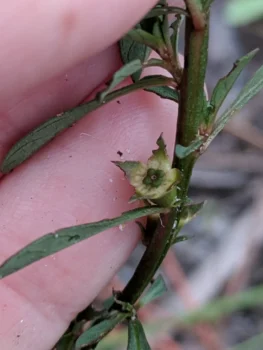
Curtiss’ Primrose-Willow: A Rare Florida Wetland Gem Worth Protecting
If you’re a native plant enthusiast looking for something truly special for your wetland garden, Curtiss’ primrose-willow (Ludwigia curtissii) might catch your attention. But before you start planning where to plant it, there’s something important you should know about this fascinating Florida native.
What Makes This Plant Special?
Curtiss’ primrose-willow is a perennial forb that belongs to the evening primrose family. Unlike woody shrubs or trees, this herbaceous plant dies back to ground level each year, with buds that survive at or below the soil surface. You might also see it listed under its botanical synonym, Ludwigia spathulifolia Small, in older references.
What truly sets this plant apart is its rarity. With conservation status indicators suggesting it may be quite uncommon, Curtiss’ primrose-willow represents one of Florida’s specialized wetland treasures that deserves our protection and respect.
Where Does It Call Home?
This primrose-willow is endemic to Florida, meaning you won’t find it growing wild anywhere else in the world. Its entire natural range is contained within the Sunshine State, making it a true Florida original.
- Species observed
- No observations
A Wetland Specialist
Here’s where things get interesting for gardeners: Curtiss’ primrose-willow is classified as an obligate wetland species in the Atlantic and Gulf Coastal Plain region. This means it almost always occurs in wetlands and requires consistently wet conditions to thrive. If you’re dreaming of adding this plant to a typical garden bed, you might want to think again!
Should You Grow Curtiss’ Primrose-Willow?
The answer depends on your specific situation and conservation ethics. Here are the key considerations:
- Rarity concerns: Given its limited distribution and conservation status, this plant should only be grown using responsibly sourced material
- Specialized needs: It requires wetland conditions that most home gardeners can’t easily provide
- Native value: As a Florida native, it supports local ecosystems when grown in appropriate conditions
- Conservation potential: Growing it could help preserve the species if done responsibly
Perfect for Specialized Gardens
If you have the right conditions, Curtiss’ primrose-willow could be perfect for:
- Wetland restoration projects
- Bog gardens with consistently saturated soil
- Native plant preservation efforts
- Specialized Florida native landscapes
Growing Conditions and Care
Success with this plant requires understanding its wetland origins:
- Soil: Must remain consistently wet to saturated
- Climate: Suited for warm, humid Florida conditions (likely USDA zones 9-11)
- Light: Typical wetland conditions with adequate sunlight
- Maintenance: Minimal once established in proper wetland conditions
The Bottom Line
Curtiss’ primrose-willow represents the fascinating world of specialized native plants that have evolved for very specific conditions. While it’s not suitable for most typical gardens, it offers tremendous value for wetland restoration, bog gardens, and conservation efforts.
If you’re interested in growing this rare beauty, please ensure you source plants or seeds from reputable native plant nurseries that practice ethical collection methods. Never collect from wild populations, as this could harm already limited natural stands.
For most gardeners looking to support Florida’s native plant communities, consider exploring other native Ludwigia species or wetland plants that are more readily available and easier to establish. Your local native plant society can help guide you toward conservation-friendly choices that will thrive in your specific conditions.