Cushion Buckwheat: A Hardy Alpine Native for Rock Gardens
If you’ve ever dreamed of bringing a piece of the high mountain wilderness to your garden, cushion buckwheat might just be your perfect match. This remarkable native plant, scientifically known as Eriogonum ovalifolium var. nivale, is like nature’s own living carpet – tough, beautiful, and perfectly adapted to some of the harshest growing conditions imaginable.
What Makes Cushion Buckwheat Special?
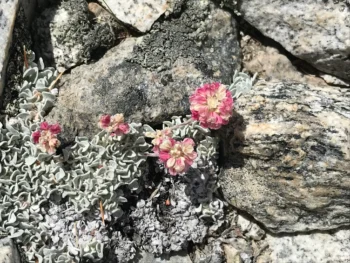
Cushion buckwheat is a perennial forb herb that forms dense, low-growing mats that hug the ground like natural cushions (hence the name!). This hardy native creates stunning displays with its clusters of small flowers that range from pristine white to soft pink, creating a delicate contrast against its small, oval-shaped leaves.
You might also see this plant listed under its synonyms Eriogonum nivale or Eriogonum rhodanthum in older gardening references, but they’re all referring to this same wonderful alpine specialist.
Where Does It Call Home?
This tough little plant is native to both Canada and the United States, naturally occurring across the mountainous regions of British Columbia, California, Nevada, Oregon, Utah, and Washington. In the wild, you’ll find cushion buckwheat thriving in alpine and subalpine environments where many other plants simply can’t survive.
- Species observed
- No observations
Why Gardeners Love (and Sometimes Struggle With) Cushion Buckwheat
There’s a lot to love about this native beauty, but it’s definitely not a plant for every garden situation. Here’s what you need to know:
The Good:
- Extremely drought tolerant once established
- Attracts beneficial pollinators like butterflies and native bees
- Perfect for rock gardens and alpine-style landscaping
- Low maintenance once you get the conditions right
- Hardy in USDA zones 4-8
- Creates beautiful ground cover in challenging spots
The Challenging:
- Requires extremely well-draining soil – soggy conditions will kill it
- Not suitable for traditional perennial borders or lush gardens
- Can be tricky to establish if conditions aren’t just right
- Grows slowly, so patience is required
Perfect Garden Situations for Cushion Buckwheat
This plant absolutely shines in specialized garden settings:
- Rock gardens: Its natural cushion form looks stunning cascading over rocks
- Alpine gardens: Perfect companion for other high-elevation natives
- Xeriscaping: Ideal for water-wise landscaping in suitable climates
- Slope stabilization: Great for erosion control on well-draining slopes
- Container gardens: Works well in shallow, wide containers with excellent drainage
Growing Cushion Buckwheat Successfully
The secret to success with cushion buckwheat is thinking like a mountain: provide excellent drainage, plenty of sun, and resist the urge to pamper it with too much water or rich soil.
Essential Growing Conditions:
- Sunlight: Full sun is absolutely essential
- Soil: Well-draining, even gravelly or sandy soil works best
- Water: Drought tolerant once established; overwatering is the kiss of death
- Climate: Thrives in zones 4-8 with good air circulation
Planting and Care Tips
Getting cushion buckwheat established requires a bit of finesse, but it’s worth the effort:
- Plant in spring after the last frost when soil is workable
- Amend heavy clay soils with coarse sand, perlite, or gravel for drainage
- Water lightly during establishment, then reduce watering significantly
- Avoid fertilizing – this plant prefers lean, poor soils
- Mulch around plants with gravel or small stones rather than organic mulch
- Be patient – growth is slow but steady once established
Supporting Wildlife and Pollinators
One of the best reasons to grow cushion buckwheat is its value to local wildlife. The flowers are magnets for native bees, butterflies, and other beneficial insects. By choosing this native plant, you’re creating habitat and food sources that have co-evolved with local wildlife for thousands of years.
Is Cushion Buckwheat Right for Your Garden?
Cushion buckwheat isn’t for everyone, and that’s perfectly okay! If you have a traditional cottage garden with rich, moist soil, this alpine specialist will struggle. But if you’re dealing with challenging conditions like poor, rocky soil, slopes that dry out quickly, or you’re specifically creating a rock garden or xeriscape, cushion buckwheat could be exactly what you need.
This native plant rewards gardeners who understand its mountain heritage with years of low-maintenance beauty and the satisfaction of growing something truly special. Just remember: when in doubt, think dry, sunny, and well-drained, and you’ll be on the right track to success with this remarkable alpine native.