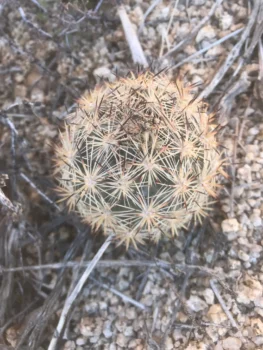
Cushion Foxtail Cactus: A Rare Desert Gem for Your Garden
Looking for a unique native cactus that’s both stunning and supports local ecosystems? Meet the cushion foxtail cactus (Escobaria alversonii), a charming little desert dweller that packs a big punch in small spaces. This delightful cactus might just be the perfect addition to your drought-tolerant garden – but there are some important things to know before you plant.
What Makes Cushion Foxtail Cactus Special
The cushion foxtail cactus is a true American native, calling the deserts of Arizona and California home. This perennial cactus forms small, globe-shaped clusters that eventually create lovely mounded displays. During blooming season, it produces eye-catching pink to magenta flowers that seem almost too large for the diminutive plant – nature’s way of making sure pollinators don’t miss the show!
You might also encounter this species under its scientific name Escobaria alversonii, or its various synonyms including Coryphantha alversonii and Mammillaria alversonii. Don’t let the name changes confuse you – it’s all the same wonderful little cactus.
Where You’ll Find This Desert Native
In the wild, cushion foxtail cactus grows naturally in Arizona and California, where it has adapted to harsh desert conditions over thousands of years. As a native species, it plays an important role in supporting local wildlife and maintaining healthy desert ecosystems.
- Species observed
- No observations
Important Conservation Note
Here’s something crucial to know: cushion foxtail cactus has a Global Conservation Status of S3, meaning it’s considered vulnerable. With typically only 21 to 100 occurrences in the wild, this little cactus needs our protection. If you’re interested in growing one, please only purchase from reputable nurseries that propagate plants responsibly rather than collecting from wild populations.
Perfect for Desert and Drought-Tolerant Gardens
This compact cactus is ideal for:
- Rock gardens and xeriscapes
- Container gardens and patio displays
- Native plant collections
- Desert-themed landscapes
- Small spaces that need big visual impact
Its small size makes it perfect as an accent plant, while its striking flowers and interesting form provide year-round interest. Plus, as a native species, it naturally supports local pollinators like native bees.
Growing Conditions and Care
Cushion foxtail cactus thrives in USDA hardiness zones 9-11, making it suitable for warm, arid climates. Here’s what this desert native needs to flourish:
Sunlight: Full sun is essential – this cactus loves bright, direct sunlight throughout the day.
Soil: Well-draining soil is absolutely critical. Think sandy, gravelly, or rocky soil that never holds water. Poor drainage is the quickest way to lose a desert cactus.
Water: Less is definitely more. Once established, this drought-tolerant native needs very little supplemental water. During hot summers, occasional deep watering may help, but always allow soil to dry completely between waterings.
Temperature: While heat-tolerant, cushion foxtail cactus can be sensitive to hard freezes. In borderline zones, consider container growing so you can provide winter protection.
Planting and Care Tips
When planting your cushion foxtail cactus:
- Choose the sunniest spot in your garden
- Amend heavy soils with sand, gravel, or pumice to improve drainage
- Plant at the same depth it was growing in its container
- Water sparingly until established, then reduce watering further
- Avoid fertilizing – desert natives prefer lean soil conditions
The beauty of growing native cacti like this one is that they’re naturally adapted to local conditions. Once established, they require minimal care while providing maximum charm.
Supporting Conservation Through Gardening
By choosing to grow cushion foxtail cactus from responsibly sourced plants, you’re not just adding beauty to your garden – you’re also supporting conservation efforts. Native plants in cultivation serve as genetic reservoirs and help reduce pressure on wild populations. Plus, you’ll be creating habitat for native pollinators and contributing to your local ecosystem’s health.
This little cactus proves that good things really do come in small packages. With proper care and responsible sourcing, cushion foxtail cactus can be a delightful addition to any desert garden, bringing native beauty and ecological benefits right to your doorstep.