Cushion Phlox: The Perfect Low-Maintenance Ground Cover for Western Gardens
If you’re looking for a tough, beautiful ground cover that can handle challenging conditions while supporting local wildlife, cushion phlox (Phlox pulvinata) might just be your new best friend. This hardy native perennial proves that good things really do come in small packages – forming dense, colorful carpets that’ll make your neighbors green with envy.
What Exactly Is Cushion Phlox?
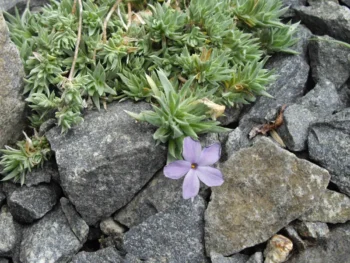
Cushion phlox is a low-growing perennial forb that’s as tough as nails and twice as pretty. True to its common name, this little powerhouse forms dense, cushion-like mats that hug the ground like nature’s own living carpet. Don’t let its delicate appearance fool you – this plant is built to survive in some pretty harsh conditions.
You might also see this plant listed under its botanical synonyms, including Phlox caespitosa subspecies pulvinata or Phlox sibirica subspecies pulvinata, but they all refer to the same wonderful little ground hugger.
Where Does Cushion Phlox Call Home?
This native beauty is a true westerner, naturally occurring across ten western states: California, Colorado, Idaho, Montana, Nevada, New Mexico, Oregon, Utah, Washington, and Wyoming. It’s particularly at home in mountainous regions and high-elevation areas where it’s learned to thrive despite challenging conditions.
- Species observed
- No observations
Why Your Garden Will Love Cushion Phlox
There are plenty of reasons to fall head over heels for this charming ground cover:
- Stunning spring display: Come springtime, cushion phlox erupts in a spectacular show of bright pink to magenta flowers that’ll stop traffic
- Drought champion: Once established, this plant laughs in the face of dry conditions
- Pollinator magnet: Butterflies and moths can’t resist those tubular flowers
- Year-round interest: Even when not blooming, the dense, needle-like foliage provides attractive texture
- Native support: You’ll be supporting local ecosystems while creating a beautiful garden
Perfect Garden Spots for Cushion Phlox
This versatile little performer shines in several garden styles:
- Rock gardens: Its natural habitat makes it perfect for tucking between stones
- Alpine gardens: Thrives in the challenging conditions that mimic its mountain home
- Xeriscaping: An excellent choice for water-wise landscapes
- Native plant gardens: A must-have for authentic western native plantings
- Slope stabilization: Those dense mats help prevent erosion while looking great
Growing Cushion Phlox: The Secrets to Success
The good news? Cushion phlox is surprisingly easy to grow if you give it what it wants – and what it wants is pretty simple.
Location and Soil
Plant your cushion phlox in full sun where it can bask in those western rays. The absolute key to success is excellent drainage – this plant would rather be high and dry than soggy. Sandy or rocky soil is perfect, and don’t even think about enriching the soil with compost or fertilizer. This tough cookie actually prefers lean conditions.
Planting Tips
Spring is the ideal time to plant cushion phlox. Space plants about 12-18 inches apart to allow for their spreading habit. Water them in well initially, but once they’re established (usually after the first growing season), you can practically forget about them.
Care and Maintenance
Here’s the beautiful part – cushion phlox is almost maintenance-free. Once established, it rarely needs supplemental water except during extreme drought. Avoid fertilizing, as rich conditions can actually weaken the plant and make it less likely to flower well.
Hardy as They Come
Cushion phlox is hardy in USDA zones 4-8, making it suitable for most western gardens. It can handle both cold winters and hot, dry summers – a combination that makes many plants throw in the towel.
The Bottom Line
If you’re gardening in the western United States and want a low-maintenance, drought-tolerant ground cover that supports native wildlife while providing spectacular spring color, cushion phlox deserves a spot in your garden. It’s proof that sometimes the best plants are the ones that ask for the least while giving you the most.
Just remember: give it sun, excellent drainage, and then step back and let this native beauty do what it does best – create a stunning carpet of color that’ll make your garden the envy of the neighborhood.