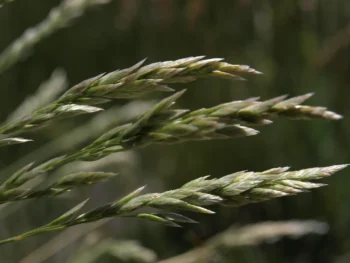
Cusick’s Bluegrass: A Hardy Native Grass for Western Gardens
If you’re looking for a low-maintenance native grass that can handle tough conditions while adding subtle beauty to your landscape, meet Cusick’s bluegrass (Poa cusickii pallida). This unassuming perennial grass might not win any flashy flower contests, but it’s a workhorse that deserves a spot in native plant gardens across the western United States and Canada.
What Makes Cusick’s Bluegrass Special?
Cusick’s bluegrass is a true native, naturally occurring across an impressive range that spans from the Canadian provinces of Alberta, British Columbia, Manitoba, Saskatchewan, and Yukon, down through the western United States including California, Colorado, Idaho, Montana, Nevada, North Dakota, Oregon, Utah, Washington, and Wyoming. This widespread distribution tells us something important: this grass knows how to adapt and thrive in diverse conditions.
- Species observed
- No observations
As a member of the grass family (Poaceae), Cusick’s bluegrass brings that classic fine-textured look that works beautifully as a backdrop for showier native wildflowers or as a naturalized ground cover. Its blue-green foliage and delicate seed heads add subtle movement and texture to the landscape without being overwhelming.
Why Choose This Native Grass?
There are several compelling reasons to consider Cusick’s bluegrass for your garden:
- True native credentials: Supporting local ecosystems by choosing plants that naturally belong in your region
- Low maintenance: Once established, this perennial grass requires minimal care and watering
- Drought tolerance: Perfect for water-wise gardening and xeriscapes
- Wildlife habitat: Provides structure and shelter for beneficial insects and small wildlife
- Erosion control: Excellent for stabilizing slopes and naturalized areas
Where Does It Fit in Your Garden?
Cusick’s bluegrass shines in native plant gardens, naturalized meadows, and xeriscapes. It’s not the grass for a formal lawn, but rather for gardeners who appreciate the subtle beauty of native landscapes. Consider using it in:
- Mixed native plant borders as a textural element
- Naturalized areas where you want low-maintenance ground cover
- Slopes that need erosion control
- Transitional zones between cultivated and wild areas
Growing Cusick’s Bluegrass Successfully
The good news is that this native grass is relatively easy to grow, thriving in USDA hardiness zones 3-7. Here’s what you need to know:
Growing Conditions: Cusick’s bluegrass prefers well-drained soils and performs best in full sun to partial shade. Its natural drought tolerance makes it ideal for areas where regular watering isn’t practical or desired.
Planting Tips: This grass can be established from seed, making it an economical choice for larger areas. Spring or fall seeding tends to work best, giving the grass time to establish before extreme weather.
Care Requirements: Once established, Cusick’s bluegrass is refreshingly low-maintenance. It may self-seed in favorable conditions, gradually expanding its coverage naturally. Avoid overwatering, as this grass has adapted to survive on limited moisture.
The Bottom Line
Cusick’s bluegrass might not be the most glamorous plant in your garden center, but it’s exactly the kind of steady, reliable native that forms the backbone of successful native landscapes. If you’re gardening in its native range and want a grass that supports local ecosystems while requiring minimal fuss, this perennial deserves serious consideration. It’s proof that sometimes the most valuable garden plants are the quiet ones that simply do their job well, year after year.