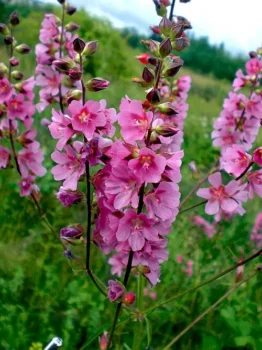
Cusick’s Checkerbloom: A Lesser-Known Native Gem for Pacific Northwest Gardens
If you’re on the hunt for native plants that fly under the radar, let me introduce you to Cusick’s checkerbloom (Sidalcea cusickii). This charming perennial forb might not be the flashiest plant in your garden center, but it’s got some serious native plant street cred that’s worth considering for your Pacific Northwest landscape.
What Is Cusick’s Checkerbloom?
Cusick’s checkerbloom is a native perennial forb – basically a non-woody flowering plant that comes back year after year. As a member of the mallow family, it shares DNA with some pretty recognizable cousins, though it tends to keep a much lower profile than its showier relatives.
You might also see this plant listed under a couple of scientific aliases: Sidalcea cusickii Piper ssp. purpurea or Sidalcea oregana var. cusickii. Don’t let the name game confuse you – it’s all the same lovely native plant.
Where Does It Call Home?
This Pacific Northwest native has made Oregon its primary stomping ground. As a plant that’s truly native to the lower 48 states, Cusick’s checkerbloom has been quietly doing its thing in Oregon’s landscapes long before any of us started thinking about native gardening.
- Species observed
- No observations
The Wetland Connection
Here’s where things get interesting: Cusick’s checkerbloom is what botanists call a facultative wetland plant in both the Arid West and Western Mountains regions. In plain English? This means it usually hangs out in wetland areas but won’t turn up its nose at drier spots either. Think of it as the flexible friend of the plant world – adaptable and easy-going about where it sets up shop.
Why Consider Cusick’s Checkerbloom for Your Garden?
While detailed growing information for this specific species is limited, here are some compelling reasons to give it a try:
- Native credibility: You’re supporting local ecosystems by choosing a plant that belongs here
- Perennial reliability: Once established, it’ll return year after year
- Wetland versatility: Perfect for those tricky spots that are sometimes wet, sometimes dry
- Low-maintenance potential: Native plants typically require less babying once they’re settled in
The Honest Truth About Growing It
Here’s where I need to level with you: specific growing information for Sidalcea cusickii is surprisingly scarce. This isn’t necessarily a bad thing – it just means this plant hasn’t been heavily studied or widely cultivated. What we do know is that it’s a hardy Oregon native that can handle wetland conditions.
If you’re interested in trying Cusick’s checkerbloom, your best bet is to:
- Contact local native plant societies or botanical gardens in Oregon
- Look for specialty native plant nurseries that might carry it
- Consider it for naturalized areas rather than formal garden beds
- Plant it in areas that occasionally get wet but also drain reasonably well
Is This Plant Right for You?
Cusick’s checkerbloom might be perfect if you’re:
- A native plant enthusiast looking for something unique
- Dealing with areas that are sometimes wet, sometimes dry
- Creating a naturalized or restoration-style landscape
- Located in Oregon and want to support truly local flora
However, if you’re looking for a plant with detailed care instructions, predictable garden performance, or widespread availability, you might want to start with better-documented native alternatives while this one remains more of a specialist’s choice.
The Bottom Line
Cusick’s checkerbloom represents the exciting frontier of native gardening – plants that are authentically local but haven’t yet made it into mainstream horticulture. While we don’t have all the answers about growing it successfully, sometimes the most rewarding garden adventures come from working with plants that still hold a bit of mystery.
If you do manage to track down this Oregon native, you’ll be part of a select group of gardeners helping to preserve and promote truly local flora. And who knows? Your success with Cusick’s checkerbloom might just help fill in some of those knowledge gaps for future native plant enthusiasts.