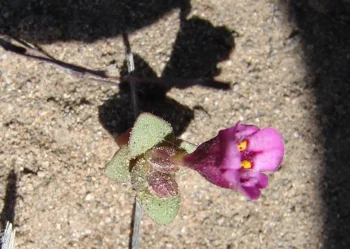
Cusick’s Monkeyflower: A Charming Native Annual for Western Gardens
If you’re looking for a delightful native wildflower that practically grows itself, meet Cusick’s monkeyflower (Mimulus cusickii). This petite annual brings cheerful yellow blooms to gardens across the western United States, and it’s one of those wonderful plants that asks for very little while giving back plenty to local pollinators.
What Makes Cusick’s Monkeyflower Special?
Cusick’s monkeyflower is a true western native, calling California, Idaho, Nevada, Oregon, and Washington home. As an annual forb, it completes its entire life cycle in one growing season, but don’t let that fool you into thinking it’s high-maintenance. This little powerhouse is perfectly adapted to western growing conditions and will often self-seed, creating naturalized colonies that return year after year.
The plant produces small, tubular yellow flowers that have the characteristic monkey face appearance that gives monkeyflowers their whimsical name. These snapdragon-like blooms are perfectly sized for small native bees and flies, making this plant a valuable addition to pollinator-friendly gardens.
- Species observed
- No observations
Where and How to Grow Cusick’s Monkeyflower
One of the best things about Cusick’s monkeyflower is how well it thrives in conditions that challenge other plants. This tough little annual loves:
- Dry, sandy, or rocky soils
- Full sun to partial shade locations
- Areas with minimal supplemental watering
- USDA hardiness zones 4-9
For best results, direct seed in fall or early spring when soil temperatures are cool. The seeds are tiny, so mix them with sand for easier distribution. Simply scatter on prepared soil and lightly rake in – these seeds need light to germinate, so don’t bury them deeply.
Perfect Garden Companions and Uses
Cusick’s monkeyflower shines in naturalized wildflower gardens and native plant landscapes. It works beautifully as a ground cover in areas where you want low-growing color without the fuss of perennial maintenance. Consider using it in:
- Xerophytic (drought-tolerant) garden designs
- Wildflower meadows
- Rock gardens
- Natural transition areas between cultivated and wild spaces
Low-Maintenance Beauty
Once established, Cusick’s monkeyflower is remarkably self-sufficient. It’s naturally drought-tolerant and actually prefers lean soils over rich, heavily amended garden beds. The plant will bloom throughout its growing season and, if allowed to go to seed, will often provide you with new plants the following year.
This makes it an excellent choice for gardeners who want to support native wildlife without adding to their garden maintenance routine. Plus, because it’s an annual, you won’t have to worry about it becoming overly aggressive or outcompeting other desirable plants.
Supporting Local Ecosystems
By choosing Cusick’s monkeyflower, you’re not just adding pretty blooms to your landscape – you’re supporting the intricate web of native pollinators and other wildlife that have evolved alongside this plant. Small native bees and beneficial flies rely on flowers like these for nectar and pollen, making your garden a valuable habitat stepping stone.
Whether you’re just starting your native plant journey or you’re a seasoned wildflower enthusiast, Cusick’s monkeyflower offers an easy, rewarding way to bring a piece of the western landscape right to your backyard. Sometimes the best garden additions are the ones that feel like happy accidents – and this charming little annual definitely fits that description.