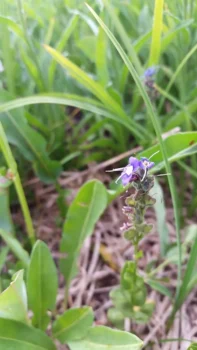
Cusick’s Speedwell: A Charming Native Wildflower for Your Garden
If you’re looking for a delightful native perennial that won’t demand much fuss but delivers plenty of charm, let me introduce you to Cusick’s speedwell (Veronica cusickii). This unassuming little wildflower might just become your new favorite addition to rock gardens and naturalized landscapes.
What Makes Cusick’s Speedwell Special?
Cusick’s speedwell is a true North American native, naturally occurring across the western regions of both Canada and the United States. You’ll find this hardy perennial growing wild in British Columbia, California, Idaho, Montana, Oregon, and Washington. As a native plant, it’s perfectly adapted to local conditions and supports regional ecosystems in ways that non-native plants simply can’t match.
- Species observed
- No observations
This charming forb (that’s botanist-speak for a non-woody flowering plant) stays relatively compact and produces delicate spikes of blue to purple flowers that seem to dance in the breeze. Unlike some of its more aggressive garden cousins, Cusick’s speedwell knows how to play well with others in the garden.
Where Does Cusick’s Speedwell Thrive?
One of the best things about this native beauty is its adaptability. Cusick’s speedwell has what’s called a facultative wetland status across its range, meaning it’s equally happy in both wet and dry conditions. This flexibility makes it a fantastic choice for gardeners dealing with variable moisture levels or those tricky spots where other plants struggle.
The plant thrives in USDA hardiness zones 4-8, making it suitable for a wide range of climates. It prefers well-draining soils and can handle everything from full sun to partial shade, though it tends to flower most prolifically with good light exposure.
Perfect Spots for Planting
Cusick’s speedwell shines in several garden settings:
- Rock gardens where its compact form and drought tolerance are assets
- Alpine or mountain-themed gardens that mimic its natural habitat
- Native plant gardens focused on regional flora
- Naturalized areas where you want low-maintenance ground cover
- Pollinator gardens where every small flower counts
Benefits for Wildlife and Pollinators
Don’t let its modest size fool you – Cusick’s speedwell pulls its weight in supporting local wildlife. The small tubular flowers are perfectly sized for native bees, butterflies, and other pollinators. By choosing native plants like this speedwell, you’re providing food sources that co-evolved with local wildlife, creating a more resilient and interconnected garden ecosystem.
Growing Cusick’s Speedwell Successfully
Here’s the good news: this native perennial is refreshingly low-maintenance once established. Here are the key points for success:
- Planting time: Spring is ideal for getting new plants established
- Soil requirements: Well-draining soil is crucial – this plant doesn’t like wet feet
- Watering: Drought-tolerant once established, but appreciate occasional deep watering during dry spells
- Fertilizing: Generally unnecessary – native plants prefer lean soils
- Maintenance: Minimal pruning needed; may self-seed in favorable conditions
Is Cusick’s Speedwell Right for Your Garden?
If you’re drawn to native plants, appreciate subtle beauty over flashy displays, and want something that won’t require constant attention, Cusick’s speedwell could be perfect for your space. It’s especially valuable if you’re creating habitat for pollinators or trying to establish a more sustainable, regionally appropriate garden.
The main consideration is whether you have appropriate growing conditions – particularly well-draining soil and adequate light. If your garden tends toward boggy conditions or deep shade, you might want to look for other native options better suited to those conditions.
For gardeners in the western United States and southern Canada, Cusick’s speedwell represents an opportunity to grow something truly local while supporting the intricate web of native wildlife that depends on indigenous plants. It’s proof that sometimes the most rewarding garden additions are the ones that have been thriving in your region for thousands of years.