Cusp Blazing Star: A Rare Prairie Gem Worth Growing Responsibly
If you’re looking to add a touch of prairie magic to your garden while supporting native wildlife, the cusp blazing star (Liatris punctata var. mucronata) might just be the perfect addition. This perennial wildflower brings vertical drama to any landscape with its distinctive purple-pink flower spikes that seem to defy gravity by blooming from top to bottom—quite the opposite of most flowers!
What Makes Cusp Blazing Star Special
The cusp blazing star is a true American native, belonging to the diverse Liatris family of blazing stars. As a herbaceous perennial forb, it lacks woody stems but makes up for it with stunning seasonal displays and incredible wildlife value. You might also see it listed under its scientific synonym, Liatris mucronata, but don’t let the technical names intimidate you—this is one tough, beautiful plant.
Where Does It Call Home?
This prairie native has carved out its niche across the south-central United States, naturally occurring in Arkansas, Kansas, Louisiana, Missouri, Oklahoma, and Texas. It’s perfectly adapted to the challenging conditions of the Great Plains and southern prairies, making it an excellent choice for gardeners in these regions who want to embrace their local flora.
- Species observed
- No observations
Important Conservation Note
Before we dive into growing tips, there’s something crucial to know: cusp blazing star is considered rare in Arkansas, where it holds an S2 rarity status. This means if you’re planning to add this beauty to your garden, please source your plants or seeds responsibly from reputable native plant nurseries rather than collecting from wild populations. Every plant we grow in our gardens can help support the species while protecting wild communities.
Why Your Garden (and Local Wildlife) Will Love It
Cusp blazing star isn’t just a pretty face—it’s a wildlife magnet! The tubular flowers are absolute butterfly magnets, attracting monarchs, painted ladies, and countless other pollinators throughout the blooming season. Bees go crazy for the nectar-rich flowers, and even large wildlife animals rely on this plant, with research showing it can comprise 5-10% of their diet.
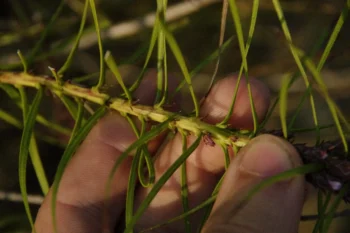
From a design perspective, this plant brings fantastic vertical interest to prairie gardens, wildflower meadows, and naturalized areas. The grass-like foliage provides subtle texture early in the season, then transforms into spectacular flowering spikes that can serve as focal points or repeated throughout a planting for rhythm and continuity.
Growing Conditions and Care
One of the best things about cusp blazing star is how low-maintenance it becomes once established. Here’s what this prairie native prefers:
- Sunlight: Full sun for best flowering and sturdy stems
- Soil: Well-draining soils; avoid areas that stay consistently wet
- Water: Drought tolerant once established, though appreciates occasional deep watering during extreme dry spells
- Climate: Hardy in USDA zones 4-9, perfect for most of its native range
Planting and Long-term Care
Spring is typically the best time to plant cusp blazing star, giving it a full growing season to establish before winter. Space plants about 12-18 inches apart to allow for their mature spread and good air circulation.
The beauty of native plants like this one is their minimal care requirements. Simply cut the stems back to ground level in late winter before new growth emerges. Some gardeners prefer to leave the seed heads up through winter for bird food and visual interest—your choice!
Perfect Garden Companions
Cusp blazing star plays well with other prairie natives. Consider pairing it with little bluestem grass, purple coneflower, black-eyed Susan, and other regional natives for an authentic prairie feel that local wildlife will absolutely adore.
The Bottom Line
Cusp blazing star offers gardeners a chance to grow something truly special—a rare native plant that supports local ecosystems while providing months of stunning blooms. Just remember to source responsibly, and you’ll be rewarded with a low-maintenance perennial that gets better year after year. Your local butterflies, bees, and birds will thank you for choosing this prairie treasure!