Cutleaf Coneflower: A Towering Native Beauty for Your Garden
If you’re looking for a native plant that makes a bold statement in your garden while supporting local wildlife, meet the cutleaf coneflower (Rudbeckia laciniata). This impressive perennial might just become your new favorite late-summer showstopper!
What Makes Cutleaf Coneflower Special?
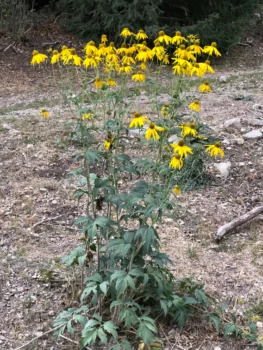
Also known simply as cutleaf coneflower, this native beauty belongs to the sunflower family and puts on quite a performance. With its bright yellow, daisy-like blooms featuring drooping petals and prominent dark centers, it’s like having sunshine on a stick in your garden. The deeply lobed, cut leaves give this plant its common name and add wonderful texture to your landscape even when it’s not in bloom.
A True Native Success Story
Here’s something to get excited about: cutleaf coneflower is native to both Canada and the United States, making it a fantastic choice for gardeners who want to support local ecosystems. This adaptable native thrives across an impressive range, growing naturally in states and provinces from British Columbia to Nova Scotia, and from Florida to Montana. Talk about a plant that knows how to get around!
- Species observed
- No observations
Size and Growth Habits
Get ready for some serious height! Cutleaf coneflower can reach up to 8 feet tall, making it a perfect back-of-the-border plant. This perennial has a rhizomatous growth habit, meaning it spreads underground to form colonies over time. With a rapid growth rate and spring as its active growing season, you’ll see results fairly quickly.
The plant features:
- Coarse-textured, gray-green foliage
- Dense summer and winter foliage porosity
- Erect growth form that creates vertical interest
- Fall conspicuous appearance as it sets seed
Perfect Garden Roles
Cutleaf coneflower shines in several garden settings:
- Prairie and naturalized gardens: Let it spread and create dramatic drifts
- Rain gardens: Its facultative wetland status means it handles moisture well
- Cottage gardens: Provides height and late-season color
- Wildlife gardens: Supports pollinators and beneficial insects
- Cutting gardens: Those tall stems make excellent cut flowers
Growing Conditions Made Simple
One of the best things about cutleaf coneflower is how adaptable it is. This forgiving plant tolerates a wide range of conditions:
Soil: Adapts to coarse, medium, or fine-textured soils with pH ranging from 4.5 to 7.0
Light: Full sun to partial shade (shade tolerant!)
Water: While it has high drought tolerance once established, it prefers consistent moisture
Climate: Hardy in USDA zones 3-9, tolerating temperatures as low as -38°F
Moisture Matters
Here’s where it gets interesting: cutleaf coneflower’s relationship with water varies by region. In most areas, it’s classified as facultative wetland, meaning it usually prefers moist conditions but can handle drier spots. In the Arid West and Great Plains, it’s more facultative, equally comfortable in wet or dry conditions. This flexibility makes it incredibly useful for problem spots in your garden!
Planting and Care Tips
Growing cutleaf coneflower is refreshingly straightforward:
Planting:
- Start with container plants or seeds (about 252,222 seeds per pound!)
- Plant in spring after frost danger passes
- Space plants considering their eventual spread
- No cold stratification required for seeds
Ongoing Care:
- Water regularly the first season; drought tolerance develops over time
- Fertilize lightly – this plant has low fertility requirements
- Deadhead spent blooms to encourage continued flowering
- Divide clumps every 3-4 years to prevent overcrowding
- Cut back in late fall or early spring
Wildlife and Pollinator Benefits
Late summer blooms make cutleaf coneflower a crucial food source when many other flowers are fading. Bees, butterflies, and beneficial insects flock to the bright yellow blooms, while the seeds provide food for birds well into fall and winter.
Potential Considerations
While cutleaf coneflower is generally well-behaved, keep these points in mind:
- It spreads via rhizomes, so give it room or plan to divide regularly
- At 8+ feet tall, it may need staking in windy areas
- The rapid growth and moderate vegetative spread mean it’s not suitable for tiny spaces
- It’s not fire resistant, so consider placement in fire-prone areas
The Bottom Line
Cutleaf coneflower is a fantastic choice for gardeners who want a reliable, native perennial that supports wildlife while providing dramatic late-season color. Its adaptability to various moisture levels and growing conditions, combined with its impressive height and cheerful blooms, make it a valuable addition to larger garden spaces. Just give it room to spread and enjoy the show!
Whether you’re creating a prairie garden, need a tall backdrop plant, or want to support pollinators with late-season blooms, cutleaf coneflower delivers on all fronts. It’s proof that native plants can be both beautiful and beneficial – exactly what every garden needs.