Cutleaf Daisy: A Charming Native Alpine Beauty for Your Garden
If you’re looking for a tough-as-nails native plant that brings delicate charm to challenging garden spots, meet the cutleaf daisy (Erigeron compositus). This little alpine wonder might just become your new favorite ground-hugging perennial, especially if you love plants that can handle whatever Mother Nature throws their way.
What Makes Cutleaf Daisy Special
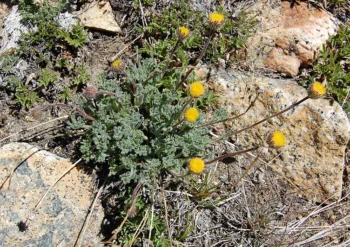
Don’t let its delicate appearance fool you – cutleaf daisy is one resilient character. This native North American perennial gets its common name from its distinctive deeply-cut, lacy foliage that looks almost fern-like. The plant forms attractive low cushions or mats, typically reaching about 1 foot in height, making it perfect for spots where you want something beautiful but not overwhelming.
During late spring, cutleaf daisy transforms into a constellation of small white daisy-like flowers that practically glow against the finely textured green foliage. While the blooms might be modest in size, they’re absolutely charming and attract a delightful parade of small native bees and butterflies to your garden.
Where This Native Beauty Calls Home
Cutleaf daisy is impressively widespread across North America, native to Alaska, western and central Canada, and much of the western United States. You’ll find it naturally growing from Alberta and British Columbia down through states like Colorado, Montana, Wyoming, and even parts of Arizona and New Mexico. This extensive native range speaks volumes about its adaptability and hardiness.
- Species observed
- No observations
Why Your Garden Will Love Cutleaf Daisy
Here’s where cutleaf daisy really shines – it’s practically custom-made for those tricky garden spots that make other plants throw in the trowel. This tough little perennial thrives in conditions that would stress out more finicky plants:
- Drought tolerance: Once established, it needs very little water
- Cold hardy: Survives in USDA zones 3-8, handling temperatures down to -33°F
- Soil flexible: Adapts to coarse, medium, or fine-textured soils
- Low maintenance: Requires minimal fertility and care
The moderate growth rate means you won’t be constantly pruning or dividing, and its single-crown growth form creates neat, tidy clumps that stay where you put them.
Perfect Garden Roles
Cutleaf daisy is absolutely stellar in several garden situations:
- Rock gardens: Its low profile and drought tolerance make it ideal for tucking between stones
- Alpine gardens: Naturally suited for high-elevation garden themes
- Xeriscape designs: Perfect for water-wise landscaping
- Ground cover: Excellent for covering difficult slopes or poor soil areas
- Naturalized areas: Blends beautifully in wildflower meadows or prairie restorations
Growing Cutleaf Daisy Successfully
The secret to happy cutleaf daisies? Think alpine meadow rather than lush garden bed. These plants evolved in challenging mountain environments, so they actually prefer lean, well-draining conditions.
Site Selection
Choose a spot with full sun – cutleaf daisy is shade intolerant and needs those bright rays to thrive. The location should have excellent drainage since this plant absolutely cannot tolerate waterlogged conditions.
Soil Requirements
While adaptable to different soil textures, the key is drainage, drainage, drainage. Sandy or rocky soils are ideal. The plant tolerates pH levels from 6.1 to 8.1 and has low fertility requirements – rich soils might actually make it less resilient.
Planting Tips
Since cutleaf daisy is primarily propagated by seed (about 250,000 seeds per pound!), you can start from seed with cold stratification. The plant needs at least 80 frost-free days and responds well to spring planting. Be patient – seedling vigor is medium, so give young plants time to establish.
Care and Maintenance
Once established, cutleaf daisy is refreshingly low-maintenance:
- Water minimally – only during extended drought periods
- Avoid fertilizing – it prefers lean conditions
- No need for regular pruning or deadheading
- Plant has moderate fire tolerance if you’re in fire-prone areas
A Word About Conservation
While cutleaf daisy isn’t critically endangered, it does have a somewhat undefined conservation status in some regions. When sourcing plants or seeds, choose reputable native plant nurseries that practice ethical collection methods. This ensures you’re supporting sustainable gardening practices while enjoying this wonderful native species.
Wildlife and Pollinator Benefits
Beyond its obvious aesthetic appeal, cutleaf daisy serves as a valuable pollinator plant. Its late spring blooms provide nectar for native bees, small butterflies, and other beneficial insects at a crucial time in their life cycles. While it may not be a major wildlife magnet, every native plant contributes to the complex web of relationships that support local ecosystems.
Is Cutleaf Daisy Right for Your Garden?
If you’re drawn to low-maintenance native plants that offer delicate beauty without high demands, cutleaf daisy could be your perfect match. It’s especially wonderful if you have challenging sites with poor soil, limited water, or extreme temperature swings. Just remember that this isn’t a plant for rich, moist garden beds – it much prefers the tough love approach to gardening.
With its charming flowers, distinctive foliage, and impressive resilience, cutleaf daisy proves that sometimes the most undemanding plants are also the most rewarding. Give this native alpine beauty a try, and you might just discover your new favorite low-maintenance perennial.