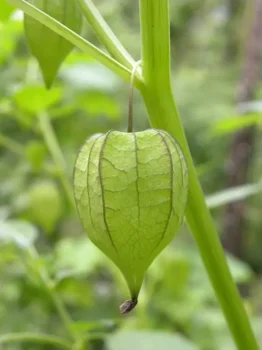
Cutleaf Groundcherry: A Quirky Annual with Papery Surprises
Meet the cutleaf groundcherry (Physalis angulata), a charming annual that’s like nature’s version of a surprise package. This delightful forb produces tiny treasures wrapped in papery lanterns that’ll add a touch of whimsy to your garden while supporting local wildlife.
What Exactly Is Cutleaf Groundcherry?
Cutleaf groundcherry is an annual forb—that’s garden-speak for a non-woody herbaceous plant that completes its life cycle in one growing season. Don’t let its humble status fool you, though. This plant belongs to the nightshade family and has quite the impressive résumé, with several botanical aliases including Physalis lanceifolia and Physalis pendula.
Where You’ll Find This Native Gem
Here’s where things get interesting: cutleaf groundcherry is native to much of the United States, including the lower 48 states, Puerto Rico, and the U.S. Virgin Islands. However, it’s considered non-native in Hawaii and other Pacific Basin locations, where it’s managed to establish itself quite successfully. You can find it growing across an impressive range of states, from Alabama to Virginia, and from coast to coast.
- Species observed
- No observations
The Appeal: Why Gardeners Love (or Should Love) This Plant
What makes cutleaf groundcherry special? It’s all about those adorable papery husks that look like tiny Japanese lanterns. The small yellow flowers aren’t much to write home about individually, but they’re followed by these inflated, balloon-like calyces that create interesting textural elements in the garden. Plus, there’s something undeniably satisfying about plants that package their own seeds so neatly!
Garden Role and Landscape Fit
Cutleaf groundcherry works beautifully in:
- Cottage gardens where a bit of controlled chaos is welcome
- Wildlife gardens focused on supporting pollinators
- Informal landscapes where self-seeding plants add spontaneity
- Areas where you want interesting textural contrasts
Since it’s an annual, it won’t take over your garden permanently, but it may self-seed if conditions are right—which can be either a feature or a consideration, depending on your gardening style.
Growing Conditions and Care
One of the best things about cutleaf groundcherry is how easygoing it is. This adaptable plant thrives in full sun to partial shade and isn’t particularly fussy about soil types. Once established, it shows good drought tolerance, making it perfect for gardeners who prefer low-maintenance plants.
The wetland status varies by region, but generally, this plant prefers upland conditions—meaning it’s happiest in well-draining areas rather than consistently wet spots. In most regions, it falls into the facultative category, meaning it can handle both wetland and non-wetland conditions.
Planting and Care Tips
- Start from seed in spring after the last frost date
- Choose a sunny to partially shaded location
- Ensure good drainage—soggy soil isn’t this plant’s friend
- Space plants adequately as they can spread somewhat during the growing season
- Minimal fertilization needed—these plants aren’t heavy feeders
- Watch for self-seeding if you want to control spread
Wildlife and Pollinator Benefits
While the flowers may be small, they’re valuable to various pollinators, particularly smaller bees and beneficial insects. The plant provides both nectar and pollen resources, contributing to the overall health of your garden ecosystem.
Should You Plant It?
If you’re gardening within cutleaf groundcherry’s native range, it can be a wonderful addition to informal landscapes and wildlife gardens. Its annual nature means it won’t become a permanent commitment, and its interesting seed pods add seasonal appeal.
For gardeners in areas where it’s not native (like Hawaii), consider whether you want to introduce a non-native species, even one that’s not currently listed as invasive. You might prefer to choose native alternatives that serve similar ecological functions.
Overall, cutleaf groundcherry is one of those unassuming plants that rewards the observant gardener with its quiet charm and ecological contributions. Sometimes the best garden additions are the ones that surprise you with their subtle appeal!