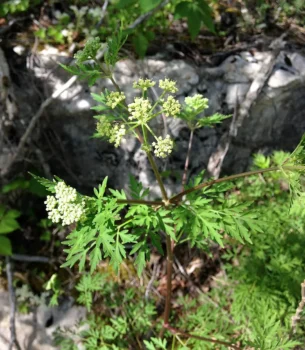
Cutleaf Meadowparsnip: A Rare Southeastern Woodland Gem Worth Protecting
If you’re passionate about native plants and love discovering botanical treasures, cutleaf meadowparsnip (Thaspium pinnatifidum) deserves a spot on your radar. This delicate perennial wildflower is one of the Southeast’s lesser-known gems, quietly gracing woodland floors with its intricate foliage and dainty white blooms.
What Makes Cutleaf Meadowparsnip Special?
Cutleaf meadowparsnip is a native forb—essentially a non-woody perennial that dies back to the ground each winter and regrows from its roots come spring. What sets this plant apart is its deeply divided, almost fern-like leaves that give it the cutleaf part of its common name. The meadowparsnip portion refers to its membership in the carrot family (Apiaceae), though don’t let that fool you into thinking it belongs in sunny meadows!
Where Does It Call Home?
This southeastern native has a relatively limited range, naturally occurring in Alabama, Georgia, Kentucky, Mississippi, North Carolina, and Tennessee. It’s perfectly adapted to the woodland conditions of these states, thriving in the dappled light beneath forest canopies.
- Species observed
- No observations
Important Conservation Note
Here’s something crucial every gardener should know: cutleaf meadowparsnip has a conservation status of S2S3, meaning it’s considered imperiled to vulnerable throughout its range. This rarity makes it extra special, but it also means we need to be responsible about how we grow it. If you’re interested in adding this plant to your garden, make sure you source it from reputable native plant nurseries that propagate their own stock rather than collecting from wild populations.
Garden Appeal and Design Role
Don’t expect showy, attention-grabbing blooms with cutleaf meadowparsnip. Instead, appreciate its subtle beauty—small clusters of tiny white flowers that appear in late spring to early summer, held above those distinctive deeply-cut leaves. This plant shines as part of a woodland understory, where its delicate texture and quiet presence add layers of interest to naturalized plantings.
It’s perfect for:
- Woodland gardens and shade borders
- Native plant collections
- Naturalized areas under trees
- Conservation-minded landscapes
Pollinator and Wildlife Benefits
Like other members of the carrot family, cutleaf meadowparsnip attracts small pollinators including native bees, beneficial flies, and other tiny insects. While it may not be a major pollinator magnet like some showier natives, it plays its part in supporting local ecosystems—and every bit helps, especially for a plant that’s becoming increasingly uncommon in the wild.
Growing Cutleaf Meadowparsnip Successfully
Hardiness: Zones 6-8, matching its native southeastern range
Growing Conditions: Think woodland floor when planning for this plant. It prefers partial shade to full shade and moist, well-drained soils rich in organic matter. Avoid hot, sunny spots or areas that dry out completely.
Planting Tips:
- Fall planting works best, giving roots time to establish before spring growth
- Plant in areas that mimic natural woodland conditions
- A layer of leaf mulch helps retain moisture and provides organic matter
- Be patient—like many native woodland plants, it may take a season or two to fully settle in
Care Requirements: Once established, cutleaf meadowparsnip is relatively low-maintenance. Keep the soil consistently moist but not waterlogged, and resist the urge to over-fertilize—native plants typically prefer lean soils.
Should You Grow It?
If you have the right growing conditions and can source plants responsibly, absolutely! Growing cutleaf meadowparsnip in your garden serves multiple purposes: you get to enjoy a unique native plant, support local pollinators, and contribute to conservation efforts by maintaining genetic diversity outside of wild populations.
Just remember that with rarity comes responsibility. This isn’t a plant to divide and share freely with neighbors (at least not yet), but rather one to appreciate and protect. By choosing to grow rare natives like cutleaf meadowparsnip, you’re becoming part of a larger conservation story—and that’s pretty special.
Consider cutleaf meadowparsnip as part of a broader woodland native planting, paired with other southeastern natives that share similar growing requirements. Your garden can become a small sanctuary for these precious plants while you enjoy their quiet, understated beauty for years to come.