Cutleaf Silverpuffs: A Delightfully Quirky Native Wildflower for Your Garden
If you’re looking for a native wildflower that’s equal parts charming and low-maintenance, let me introduce you to cutleaf silverpuffs (Microseris laciniata). This perennial forb might not win any popularity contests against flashier garden stars, but it’s got a quiet beauty and resilience that makes it a wonderful addition to the right garden setting.
What Makes Cutleaf Silverpuffs Special?
Cutleaf silverpuffs is a true native of the western United States, naturally occurring in California, Nevada, Oregon, and Washington. As a perennial forb, it’s an herbaceous plant that lacks woody stems but returns year after year from its root system. The cutleaf part of its name comes from its deeply divided, feathery foliage that gives the plant an almost fern-like appearance.
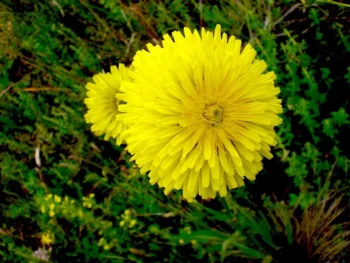
But here’s where it gets really interesting – the silverpuffs part refers to the gorgeous seed heads that follow the flowers. After the bright yellow, dandelion-like blooms fade in spring, they’re replaced by silvery, fluffy seed heads that catch the light beautifully and add textural interest to your garden.
- Species observed
- No observations
Why Grow Cutleaf Silverpuffs?
There are several compelling reasons to consider this native wildflower for your landscape:
- Native plant benefits: As a true native, it supports local ecosystems and requires fewer resources once established
- Pollinator magnet: The cheerful yellow flowers attract bees, butterflies, and other beneficial pollinators during spring bloom time
- Drought tolerance: Once established, this plant can handle dry conditions with minimal supplemental watering
- Unique aesthetic: The combination of feathery foliage, bright flowers, and silvery seed heads offers three seasons of interest
- Low maintenance: This is definitely a plant it and let it do its thing kind of wildflower
Where Does It Fit in Your Garden?
Cutleaf silverpuffs shines in naturalized settings rather than formal garden beds. It’s perfect for:
- Wildflower meadows and prairie-style plantings
- Native plant gardens
- Drought-tolerant landscapes
- Naturalized areas where you want low-maintenance color
- Slopes or areas with well-draining soil
This plant has a facultative upland wetland status, meaning it usually prefers non-wetland conditions but can occasionally tolerate some moisture. It’s adaptable but definitely happiest in well-draining situations.
Growing Cutleaf Silverpuffs Successfully
The good news is that this native wildflower isn’t particularly fussy once you understand its preferences:
Climate and Hardiness: Best suited for USDA zones 8-10, which aligns with its native range in the western states.
Light Requirements: Thrives in full sun to partial shade, though full sun will give you the best flowering.
Soil Preferences: Well-draining soil is essential. This plant won’t tolerate heavy clay or waterlogged conditions. Sandy or loamy soils work best.
Planting Tips: Fall is the ideal planting time, as seeds need winter’s cold treatment to germinate properly in spring. If you’re starting from seed (which is often the easiest method), scatter them in late fall and let nature take its course.
Watering: Water regularly during the first growing season to help establish the root system, then reduce watering significantly. This plant actually prefers to go somewhat dormant during hot, dry summer months.
Maintenance: Minimal care required! Allow the plant to complete its natural cycle, including forming those beautiful seed heads. You can deadhead spent flowers if you prefer a tidier look, but you’ll miss out on the silvery seed display.
Is This Plant Right for You?
Cutleaf silverpuffs is ideal if you’re creating a native plant garden, want to support local pollinators, or need something for a challenging dry spot. It’s not the right choice if you’re looking for showy, long-blooming color or want plants for formal garden settings.
This charming native wildflower rewards gardeners who appreciate subtle beauty and natural garden rhythms. While it may not be the showstopper of your garden, cutleaf silverpuffs offers the quiet satisfaction of growing something truly suited to your local landscape – and that’s pretty special in itself.