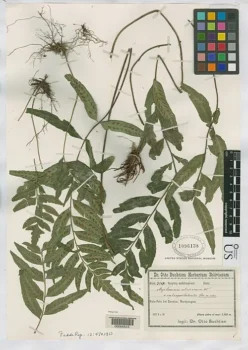
Cutleaf Spleenwort: A Delicate Native Fern Worth Protecting
Meet the cutleaf spleenwort (Asplenium abscissum), a charming little fern that’s quietly making its mark in native gardens across the Southeast. This perennial beauty might not grab headlines like flashy flowering plants, but its delicate, lacy fronds bring an understated elegance that’s hard to resist.
What Makes Cutleaf Spleenwort Special?
This native fern is a true southerner, calling the lower 48 states, Puerto Rico, and the U.S. Virgin Islands home. You’ll find it naturally growing in Florida, Puerto Rico, and the Virgin Islands, where it thrives in the warm, humid conditions these regions provide.
- Species observed
- No observations
What sets cutleaf spleenwort apart from its fern cousins is its finely divided, almost feathery fronds that create a soft, textural contrast in any garden setting. The fronds have that classic spleenwort look but with more intricate divisions, giving it the cutleaf part of its common name.
A Word of Caution: Rarity Matters
Before you rush to add this beauty to your garden, here’s something important to know: cutleaf spleenwort is becoming increasingly rare. It has a global conservation status of S3S4, which means it’s vulnerable to moderately vulnerable. In Alabama, it’s even rarer with an S1 status, indicating it’s critically imperiled.
This doesn’t mean you can’t grow it – it just means we need to be responsible about it. If you’re interested in adding cutleaf spleenwort to your garden, make sure you source it from reputable native plant nurseries that propagate their stock responsibly rather than collecting from wild populations.
Where Does It Shine in Your Garden?
Cutleaf spleenwort is perfect for:
- Shade gardens that need delicate texture
- Rock gardens with good drainage
- Native plant collections
- Naturalistic woodland settings
- Areas where you want subtle, understated beauty
This fern plays well with others and makes an excellent companion plant for other native shade lovers. It won’t compete for attention but will add that perfect finishing touch to create a cohesive, natural-looking landscape.
Growing Cutleaf Spleenwort Successfully
The good news is that once established, cutleaf spleenwort is relatively low-maintenance. Here’s what it needs to thrive:
Light: Partial to full shade works best. Think dappled sunlight under trees rather than deep, dark shade or blazing sun.
Soil: Well-draining soil is crucial. This fern particularly appreciates limestone or alkaline soils, so if you have acidic soil, you might want to add some lime.
Water: As a facultative wetland plant, it can handle both wet and moderately dry conditions, but consistent moderate moisture will keep it happiest.
Climate: Hardy in USDA zones 8-11, making it perfect for southern gardens.
The Pollinator Question
Since ferns reproduce through spores rather than flowers, cutleaf spleenwort won’t directly attract pollinators like bees and butterflies. However, it does contribute to the overall ecosystem health of your garden by providing habitat structure and supporting the complex web of organisms that make native gardens thrive.
Should You Plant It?
If you live in the right climate zone and can source it responsibly, cutleaf spleenwort makes a wonderful addition to a native garden. Its rarity actually makes it more special – you’ll be helping conserve a unique piece of our natural heritage right in your own backyard.
Just remember: always buy from reputable sources, never collect from the wild, and consider sharing spores or divisions with other native plant enthusiasts to help spread this beautiful fern responsibly.
Whether you’re creating a peaceful shade retreat or adding authentic native character to your landscape, cutleaf spleenwort offers subtle beauty with an important conservation story. It’s proof that sometimes the most understated plants make the biggest impact.