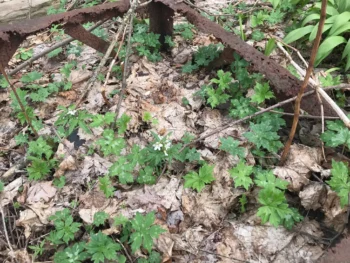
Cutleaf Toothwort: The Perfect Early Spring Woodland Wonder
If you’re looking to add some early spring magic to your woodland garden, meet cutleaf toothwort (Cardamine concatenata) – a charming native perennial that knows how to make an entrance! This delightful little plant might go by several names (you might also see it listed under its old botanical names like Dentaria concatenata), but whatever you call it, this spring ephemeral is pure garden gold.
Why You’ll Fall in Love with Cutleaf Toothwort
Cutleaf toothwort is one of those wonderful native plants that perfectly embodies the phrase good things come in small packages. This herbaceous perennial may be modest in stature, but it packs a serious punch when it comes to early season appeal and ecological value.
As a true spring ephemeral, cutleaf toothwort follows nature’s perfect timing. It emerges early in the season, produces its delicate white to pale pink four-petaled flowers while the woodland canopy is still bare, and then gracefully retreats underground by midsummer. It’s like having a brief but beautiful house guest who knows exactly when to arrive and when to leave!
Where You’ll Find This Native Beauty
Cutleaf toothwort is a true North American native, naturally occurring throughout much of eastern North America. You can find wild populations stretching from southeastern Canada down to northern Florida and west into the Great Plains. Its impressive range includes most of the eastern United States, from Maine to Florida and west to states like Kansas, Nebraska, and Texas.
- Species observed
- No observations
Perfect Spots in Your Garden
This lovely native is practically made for woodland and shade gardens. Here’s where cutleaf toothwort really shines:
- Woodland gardens: Absolutely perfect under deciduous trees where it can enjoy spring sun and summer shade
- Native plant gardens: A must-have for authentic regional plant communities
- Naturalized areas: Excellent for creating that effortless wild look
- Shade gardens: Provides early season interest before other shade plants wake up
Growing Cutleaf Toothwort Successfully
The good news? Cutleaf toothwort is pretty easygoing once you understand what it needs. Since it typically grows as a facultative upland plant (meaning it usually prefers non-wetland conditions but can tolerate some moisture), you’ll want to focus on mimicking its natural woodland habitat.
Ideal Growing Conditions
- Light: Partial to full shade (remember, it blooms before trees leaf out!)
- Soil: Moist, well-draining soil rich in organic matter
- pH: Adaptable to various soil pH levels
- Hardiness: Thrives in USDA zones 3-8
Planting and Care Tips
Plant tubers in fall for best results – this gives them time to establish before their big spring show. Keep the soil consistently moist but never waterlogged (soggy roots are not happy roots!). A layer of leaf mulch will help retain moisture and provide the organic matter this woodland native craves.
Don’t panic when your cutleaf toothwort disappears by midsummer – this is completely normal! The plant goes dormant during the hot months and will return reliably each spring. Mark the spot so you don’t accidentally disturb the underground tubers during summer garden activities.
A Pollinator’s Best Friend
Here’s where cutleaf toothwort really earns its garden gold star: it’s an absolute lifesaver for early pollinators. When this little beauty blooms in early spring, it’s often one of the only nectar sources available for emerging bees, early butterflies, and other pollinators who are desperately searching for fuel after a long winter.
By planting cutleaf toothwort, you’re essentially setting up a pollinator café that opens right when your six-legged friends need it most. It’s this kind of perfectly timed ecological service that makes native plants so incredibly valuable in our gardens.
The Bottom Line
Cutleaf toothwort might not be the flashiest plant in your garden, but it’s definitely one of the most valuable. This reliable native perennial offers early spring beauty, crucial pollinator support, and the satisfaction of growing a plant that truly belongs in your local ecosystem. Plus, once established, it’s remarkably low-maintenance – it literally knows how to take care of itself!
If you’re looking to create a garden that works with nature rather than against it, cutleaf toothwort deserves a spot on your must-plant list. Your early spring garden (and the local pollinators) will thank you for it!