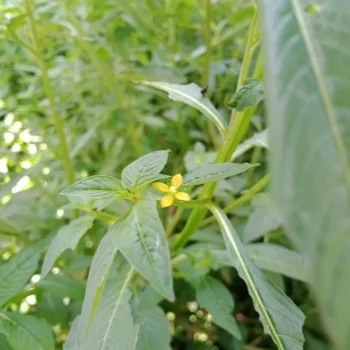
Cylindricfruit Primrose-Willow: A Native Gem for Water-Loving Gardens
If you’re looking for a native plant that thrives in those tricky wet spots in your yard, meet the cylindricfruit primrose-willow (Ludwigia glandulosa). This cheerful perennial might not have the catchiest name, but it’s a true champion when it comes to handling moisture and supporting local ecosystems.
What Makes This Plant Special?
Cylindricfruit primrose-willow is a proud native of the United States, naturally occurring across 18 states from the Southeast to the Great Plains. You’ll find this adaptable perennial flourishing from Alabama to Virginia, and from Florida all the way to Kansas. As a true native, it’s perfectly adapted to local growing conditions and plays an important role in supporting regional wildlife.
- Species observed
- No observations
This plant falls into the obligate wetland category, which is just a fancy way of saying it absolutely loves wet feet. In fact, it almost always occurs in wetlands naturally, making it an excellent choice for those soggy areas where other plants might struggle.
Garden Appeal and Design Uses
Don’t let the technical name fool you – this plant brings genuine charm to the garden. Throughout summer and into fall, it produces small, bright yellow flowers with four delicate petals that add cheerful spots of color to wet areas. The narrow, lance-shaped leaves create an attractive upright form that works beautifully in naturalized settings.
Cylindricfruit primrose-willow shines in several garden situations:
- Rain gardens and bioswales
- Pond and stream edges
- Native plant gardens
- Wetland restoration projects
- Areas with poor drainage
Supporting Local Wildlife
As a native plant, cylindricfruit primrose-willow provides valuable resources for local pollinators. Its small yellow blooms attract various bees, flies, and other beneficial insects throughout its extended blooming season. By choosing native plants like this one, you’re helping to support the complex web of relationships that keep local ecosystems healthy.
Growing Conditions and Care
The beauty of working with native plants is that they’re naturally adapted to thrive in your local conditions. Cylindricfruit primrose-willow is hardy in USDA zones 6-9, making it suitable for much of the continental United States.
Light requirements: This adaptable plant does well in full sun to partial shade, though it tends to flower most prolifically with more sunlight.
Soil and water: Here’s where this plant really shines – it loves consistently moist to wet soils and can even tolerate periodic flooding. If you have that perpetually soggy spot where nothing else seems happy, this might be your answer.
Maintenance: Once established, cylindricfruit primrose-willow is refreshingly low-maintenance. It’s a perennial, so it’ll return year after year, and in ideal conditions, it may even self-seed to create natural colonies.
Planting Tips for Success
Spring is the ideal time to get your cylindricfruit primrose-willow established. Here are some tips for success:
- Choose a location that stays consistently moist – this plant doesn’t like to dry out
- Prepare the soil by ensuring good drainage while maintaining moisture retention
- Space plants appropriately to allow for their natural spreading habit
- Water regularly during the first growing season to help establish strong roots
- Be patient – native plants often take a season or two to really hit their stride
Is This Plant Right for Your Garden?
Cylindricfruit primrose-willow is an excellent choice if you’re dealing with wet areas in your landscape and want to work with nature rather than against it. It’s particularly valuable for gardeners interested in native plant gardening, supporting local wildlife, or managing stormwater runoff naturally.
However, this plant might not be the best choice if you have dry, well-drained soils or are looking for a specimen for formal garden beds. Its love of moisture and somewhat informal growth habit make it better suited to naturalized areas and water gardens.
For gardeners committed to supporting native ecosystems while solving challenging wet-soil problems, cylindricfruit primrose-willow offers a perfect combination of practicality and ecological value. It’s proof that sometimes the best solutions are the ones nature has been using all along.