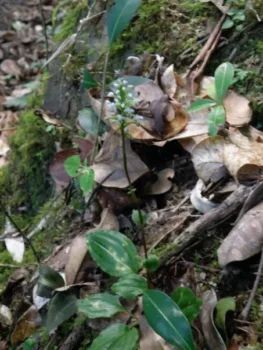
Cypress-Knee Helmet Orchid: A Rare Native Gem for Specialized Gardens
Meet the cypress-knee helmet orchid (Cranichis muscosa), one of Florida’s lesser-known native treasures. This tiny terrestrial orchid might not win any beauty contests with its understated blooms, but it holds a special place in the hearts of native plant enthusiasts and orchid lovers who appreciate subtlety over showiness.
What Makes This Orchid Special?
The cypress-knee helmet orchid is a true native, naturally occurring in Florida and Puerto Rico. As a perennial forb, it returns year after year, quietly going about its business in the understory of natural areas. Unlike its flashier orchid cousins, this species has adapted to life on the ground rather than perching in trees.
This little orchid grows in Florida and Puerto Rico, representing a unique piece of our southeastern and Caribbean flora. Its presence in an area indicates a healthy, undisturbed ecosystem.
- Species observed
- No observations
Garden Appeal (Or Lack Thereof)
Let’s be honest – the cypress-knee helmet orchid isn’t going to be the star of your flower border. Its blooms are small and inconspicuous, designed more for function than form. However, for gardeners passionate about native biodiversity and rare plants, this orchid offers something precious: authenticity.
Where Would You Plant It?
If you’re lucky enough to find this orchid (and that’s a big if), it would fit best in:
- Native woodland gardens
- Naturalistic landscapes
- Conservation-focused plantings
- Specialty orchid collections
The Reality Check: Growing Conditions
Here’s where things get tricky. Terrestrial orchids like the cypress-knee helmet orchid are notoriously difficult to grow outside their natural habitat. They have complex relationships with soil fungi and require very specific conditions that are hard to replicate in typical garden settings.
Based on its native range, this orchid likely thrives in USDA zones 9-11, preferring the warm, humid conditions of its southeastern and Caribbean homes. In terms of moisture, it shows interesting flexibility – acting as an upland plant in Florida’s coastal plains while being more adaptable to various moisture levels in Caribbean settings.
Should You Try to Grow It?
The short answer? Probably not, unless you’re an experienced orchid grower with a deep understanding of native plant propagation. Here’s why:
- Extremely specialized growing requirements
- Difficult to source ethically
- Complex soil fungal relationships
- Better left in natural habitats
Supporting Native Orchids Responsibly
Instead of trying to grow the cypress-knee helmet orchid in your garden, consider these alternatives:
- Support habitat conservation efforts
- Choose other native Florida plants that are easier to grow
- Visit natural areas where these orchids grow
- Participate in citizen science projects that monitor orchid populations
The Bottom Line
The cypress-knee helmet orchid represents the wild, untamed beauty of Florida’s native flora. While it may not be suitable for most gardens, its existence reminds us of the incredible diversity hiding in our natural areas. Sometimes the best way to appreciate a plant is to protect its habitat and admire it where it belongs – in the wild.
For gardeners passionate about native plants, focus on the many other beautiful and garden-worthy Florida natives that will thrive in cultivation while still supporting local ecosystems. Save the rare orchids for nature photographers and conservation biologists – they’ll thank you for it!