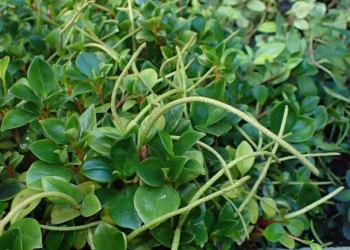
Cypress Peperomia: A Charming Native Ground Cover for Shady Gardens
If you’re looking for a delightful native plant that thrives in Florida’s shadiest corners, meet the cypress peperomia (Peperomia glabella). This unassuming little charmer might not win any flashy flower contests, but it’s got personality in spades and deserves a spot in every native plant lover’s garden.
What Makes Cypress Peperomia Special?
Cypress peperomia is a true Florida native that also calls Puerto Rico and the U.S. Virgin Islands home. As a perennial forb, it’s an herbaceous plant that comes back year after year without developing woody stems. Think of it as nature’s answer to those trendy succulent ground covers, but one that actually belongs in our southeastern ecosystems.
This little gem goes by the scientific name Peperomia glabella, and you might occasionally see it listed under its synonym Piper glabellum. Whatever you call it, this plant is all about that low-key, easy-going vibe that makes gardening feel less like work and more like play.
Where You’ll Find It Growing Wild
In nature, cypress peperomia makes itself at home throughout Florida, with populations extending into Puerto Rico and the Virgin Islands. It’s perfectly adapted to our warm, humid climate and knows how to make the most of shady, moist spots that challenge other plants.
- Species observed
- No observations
The Appeal: Why Your Garden Needs This Plant
Don’t let cypress peperomia’s modest appearance fool you. This plant brings several wonderful qualities to the garden:
- Glossy, oval-shaped leaves that catch and reflect dappled light beautifully
- A trailing, creeping growth habit that creates lovely textural carpets
- Succulent-like appearance that adds modern appeal to native plantings
- Year-round interest as a perennial
- Low-maintenance nature that forgives occasional neglect
Perfect Garden Roles
Cypress peperomia shines in several garden situations:
- Ground cover: Creates soft, living carpets under trees and shrubs
- Container gardens: Spills beautifully over pot edges
- Hanging baskets: Shows off its trailing nature
- Shade gardens: Thrives where sun-loving plants struggle
- Tropical-themed landscapes: Adds authentic native flair
Growing Conditions: Keep It Happy
Cypress peperomia is wonderfully adaptable, but it does have preferences. In nature, it typically grows as a facultative wetland plant in the Atlantic and Gulf Coastal Plain region, meaning it usually likes moist conditions but can handle some drying out. Interestingly, in Caribbean regions, it leans more toward upland areas while still tolerating wet spots.
Light: Partial to full shade (avoid direct, harsh sunlight)
Soil: Moist but well-draining; adaptable to various soil types
Water: Consistent moisture without waterlogging
Climate: USDA zones 10-12 (perfect for South Florida)
Humidity: High humidity lover (naturally suited to Florida)
Planting and Care Tips
The beauty of cypress peperomia lies in its easygoing nature. Here’s how to set it up for success:
- Location: Choose a spot with morning sun and afternoon shade, or dappled light all day
- Soil prep: Ensure good drainage while maintaining moisture retention
- Watering: Water regularly but avoid soggy conditions
- Spacing: Give plants room to spread and create natural colonies
- Maintenance: Minimal pruning needed; just remove any damaged growth
Wildlife and Ecosystem Benefits
While cypress peperomia may not be a major wildlife magnet, it plays its part in the native ecosystem. Its small, inconspicuous flowers provide modest nectar sources, and its ground-covering growth helps create habitat structure for small creatures navigating the forest floor.
Is Cypress Peperomia Right for Your Garden?
This native gem is perfect for gardeners who:
- Want to support native ecosystems
- Need reliable plants for challenging shady areas
- Appreciate subtle beauty over flashy displays
- Prefer low-maintenance gardening
- Are creating authentic Florida landscapes
If you’re drawn to the idea of a plant that quietly does its job while adding gentle texture and year-round interest to your shade garden, cypress peperomia might just become your new favorite native. It’s proof that sometimes the most unassuming plants make the biggest difference in creating beautiful, sustainable landscapes.