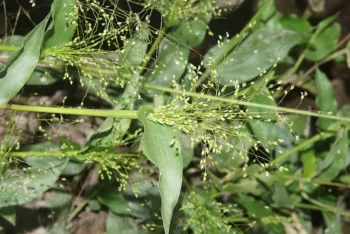
Cyrtococcum: A Hidden Gem of Pacific Native Grasses
If you’re looking to add authentic Pacific Island charm to your tropical garden, you might want to get acquainted with Cyrtococcum – a native grass that’s as unique as its name is hard to pronounce! This lesser-known member of the grass family (Poaceae) represents the kind of authentic, region-specific plant that can really set your landscape design apart from the typical tropical fare.
Where Does Cyrtococcum Come From?
Cyrtococcum is a true native of the Pacific Basin, with documented populations in Palau. This grass has evolved specifically for Pacific Island conditions, making it a fantastic choice for gardeners who want to create landscapes that reflect the authentic flora of this remarkable region. As a native species, it’s perfectly adapted to local growing conditions and supports the natural ecosystem.
- Species observed
- No observations
Why Consider Cyrtococcum for Your Garden?
While information about this particular grass is somewhat limited in mainstream gardening resources, that’s actually part of its appeal! Here’s why Cyrtococcum might be worth seeking out:
- It’s a true native species, supporting local biodiversity
- Naturally adapted to Pacific Basin growing conditions
- Adds authentic regional character to your landscape
- Likely requires less maintenance than non-native alternatives once established
- Perfect for gardeners who appreciate rare and unusual plants
Growing Cyrtococcum Successfully
Since Cyrtococcum is native to the Pacific Basin, it’s best suited for tropical and subtropical gardens, likely thriving in USDA hardiness zones 10-11. As with most Pacific native grasses, it probably prefers:
- Warm, humid conditions year-round
- Well-draining soil that doesn’t stay waterlogged
- Partial to full sun exposure
- Regular moisture during establishment
Design Ideas and Garden Placement
Cyrtococcum works beautifully in native Pacific plant gardens, where it can serve as a foundational grass species. Consider using it as:
- Accent plantings in tropical landscape designs
- Ground cover in naturalized garden areas
- Part of a native plant restoration project
- An educational specimen in botanical collections
The Challenge and the Reward
Let’s be honest – finding Cyrtococcum at your local garden center is probably not going to happen! This grass falls into the category of specialty native plants that require a bit more effort to source. You might need to connect with native plant societies, botanical gardens, or specialized growers who work with Pacific Island flora.
But here’s the thing: the extra effort to find and grow lesser-known natives like Cyrtococcum is exactly what makes gardening with native plants so rewarding. You’re not just adding another plant to your garden – you’re participating in the preservation and celebration of unique regional biodiversity.
Supporting Pacific Ecosystems
By choosing to grow Cyrtococcum, you’re making a statement about the value of native plants and supporting the ecosystems they’ve evolved to be part of. While we don’t have extensive data on its specific wildlife benefits, native grasses typically provide important habitat and food sources for local insects, birds, and other wildlife.
If you’re passionate about authentic Pacific Island gardening and don’t mind the hunt for unusual plants, Cyrtococcum could be exactly the kind of special addition that makes your garden truly unique. Sometimes the most rewarding plants are the ones that take a little extra effort to find and grow!