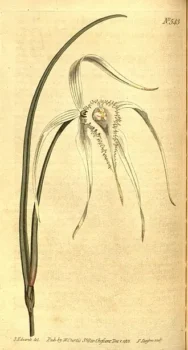
Daddy Longlegs Orchid: A Quirky Caribbean Native for Tropical Gardens
Meet the daddy longlegs orchid (Brassavola cucullata), a charming little Caribbean native that’s sure to spark conversation in any tropical garden. With its spidery white blooms and intoxicating nighttime fragrance, this perennial orchid brings a touch of exotic elegance to the right growing conditions.
What Makes This Orchid Special?
The daddy longlegs orchid gets its whimsical common name from its distinctive flowers, which feature long, narrow white petals and sepals that dangle like spider legs. But don’t let the creepy-crawly comparison fool you – these blooms are absolutely stunning and emit a sweet, powerful fragrance that’s most noticeable in the evening hours when they’re trying to attract their moth pollinators.
Also known by its botanical name Brassavola cucullata (and the synonym Epidendrum cucullatum), this orchid is a true native treasure of the Caribbean region.
Where It Calls Home
This delightful orchid is native to Puerto Rico and the U.S. Virgin Islands, where it grows as an epiphyte in the wild. Its natural geographic distribution includes these tropical territories where it thrives in the warm, humid conditions.
- Species observed
- No observations
Why Grow Daddy Longlegs Orchid?
If you’re lucky enough to garden in USDA hardiness zones 10-12, the daddy longlegs orchid offers several compelling reasons to include it in your collection:
- Supports native biodiversity as a true regional native
- Attracts nocturnal pollinators, particularly moths, with its evening fragrance
- Compact size makes it perfect for small spaces, hanging baskets, or mounted displays
- Unique spider-like flowers create an interesting conversation piece
- Relatively low-maintenance once established in proper conditions
Growing Conditions and Care
Like most tropical orchids, the daddy longlegs orchid has specific needs that must be met for successful cultivation:
Light: Provide bright, indirect light. Too much direct sun can scorch the leaves, while too little light will prevent blooming.
Temperature: Warm conditions year-round are essential, with temperatures ideally staying above 60°F at night and reaching 70-85°F during the day.
Humidity: High humidity levels (50-70%) are crucial for healthy growth.
Growing Medium: Use a well-draining orchid bark mix or mount the plant on cork bark or tree fern fiber.
Watering: Allow the growing medium to dry slightly between waterings, then water thoroughly.
Planting and Care Tips
- Mount on bark slabs for a natural epiphytic growing method
- If potting, use a coarse orchid bark mix for excellent drainage
- Provide good air circulation to prevent fungal issues
- Fertilize monthly with a diluted orchid fertilizer during growing season
- Reduce watering slightly during cooler months
Garden Design Ideas
The daddy longlegs orchid works wonderfully in:
- Tropical and subtropical landscape designs
- Orchid collections and specialty gardens
- Greenhouse or conservatory displays
- Hanging basket arrangements
- Mounted on trees in frost-free climates
Is This Orchid Right for You?
The daddy longlegs orchid is perfect for gardeners in tropical climates who appreciate unique, native plants and don’t mind providing specific growing conditions. However, it’s not the best choice if you live outside zones 10-12 unless you can provide greenhouse conditions.
If you’re in a cooler climate but love the idea of growing native orchids, consider looking for native terrestrial orchids suited to your region instead.
For those in the right climate zones, this charming Caribbean native offers the perfect combination of ecological value, unique beauty, and manageable care requirements. Just remember to source your plants responsibly from reputable orchid growers rather than wild-collected specimens.