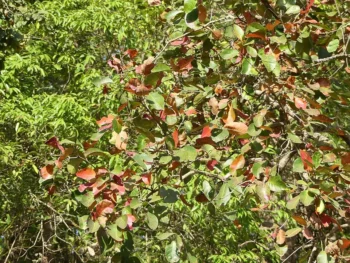
Daly River Satinash: A Tropical Tree for Warm Climate Gardens
If you’re looking to add some tropical flair to your warm-climate garden, you might have come across the Daly River satinash (Syzygium nervosum). This glossy-leaved tree brings a touch of the tropics wherever it grows, but is it the right choice for your landscape? Let’s dive into what makes this tree tick and whether it deserves a spot in your garden.
What Is Daly River Satinash?
The Daly River satinash is a perennial tree that typically grows as a single-trunked specimen reaching heights of 13-16 feet or more, though it can sometimes develop multiple stems or stay shorter depending on growing conditions. Don’t let the name fool you – despite being called Daly River satinash, this tree isn’t native to that specific Australian location in most places where it’s commonly grown.
This tree goes by several scientific names in botanical circles, including some tongue-twisting synonyms like Cleistocalyx nitidus and Eugenia nervosa, but Syzygium nervosum is the name that’s stuck.
Where Does It Come From?
Here’s where things get interesting: Syzygium nervosum is native to the Pacific Basin, but it’s considered non-native in both Hawaii and the continental United States. In these areas, it’s what botanists call a naturalized species – meaning it was introduced by humans but now reproduces on its own in the wild. You can find it growing in California, Hawaii, Guam, and Palau.
- Species observed
- No observations
The Good, The Bad, and The Beautiful
So why might you want to grow Daly River satinash? Here are the highlights:
- Attractive glossy, leathery leaves that catch the light beautifully
- Small, fragrant white flowers that appear in clusters
- Purple-black berries that follow the flowers
- Relatively compact size makes it suitable for smaller landscapes
- The flowers attract bees and other small pollinators
However, since this isn’t a native species in most areas where it’s grown, you might want to consider native alternatives that provide similar benefits while supporting local ecosystems more effectively.
Growing Conditions and Care
If you decide to grow Daly River satinash, here’s what you need to know:
Climate Requirements: This tree is only suitable for USDA zones 10-12, making it a no-go for gardeners in cooler climates. It’s quite frost-sensitive, so even a light freeze can damage it.
Ideal Growing Conditions:
- Moist, well-draining soil
- Full sun to partial shade
- High humidity
- Consistent moisture – don’t let it dry out completely
- Protection from strong winds
Planting and Care Tips
Getting your Daly River satinash established is relatively straightforward if you can provide the right conditions:
- Plant in spring when the weather is warm and settled
- Water regularly, especially during dry spells
- Apply mulch around the base to retain moisture and regulate soil temperature
- Prune lightly to maintain shape and remove any dead or damaged branches
- In windy locations, consider staking young trees until they’re well-established
Landscape Uses
This tree works well as a specimen plant in tropical and subtropical gardens, or as part of a mixed planting in coastal landscapes. Its moderate size makes it suitable for smaller properties where a massive shade tree would be overwhelming. The attractive foliage and flowers make it a nice choice for areas where you want year-round interest.
The Bottom Line
Daly River satinash can be a lovely addition to warm-climate gardens, offering attractive foliage, fragrant flowers, and benefits for pollinators. However, since it’s not native to most areas where it’s grown, consider exploring native alternatives first. Native plants typically require less water and maintenance while providing better support for local wildlife and ecosystems.
If you do choose to grow this tree, make sure you can provide the consistent moisture and warm temperatures it needs to thrive. With proper care, it can be a beautiful and relatively low-maintenance addition to the right garden setting.