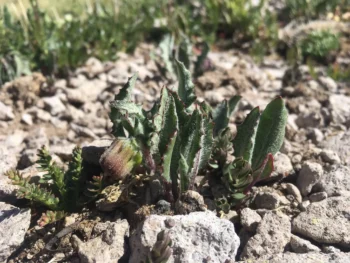
Dandelion Ragwort: A Hidden Gem for Native Plant Enthusiasts
If you’re looking for a native wildflower that’s both charming and resilient, dandelion ragwort (Senecio taraxacoides) might just be the perfect addition to your garden. This lesser-known perennial brings cheerful yellow blooms and drought tolerance to landscapes across the American Southwest, though it’s not as common as you might hope to find.
What Makes Dandelion Ragwort Special?
Don’t let the dandelion part of the name fool you – this native beauty is nothing like the weedy dandelions in your lawn. Dandelion ragwort is a legitimate wildflower that produces lovely yellow, daisy-like flowers and forms attractive basal rosettes of leaves that do resemble dandelion foliage, hence the common name.
As a native forb (that’s garden-speak for a non-woody flowering plant), this perennial has been naturally growing in the American Southwest for centuries. You might also see it listed under its synonyms Ligularia taraxacoides or Senecio amplectens var. taraxacoides in some plant catalogs or botanical references.
Where Does It Grow Naturally?
Dandelion ragwort calls Colorado, New Mexico, and Oklahoma home, thriving in the unique growing conditions of the southwestern United States. It’s perfectly adapted to the climate and soil conditions of this region, making it an excellent choice for gardeners wanting to work with nature rather than against it.
- Species observed
- No observations
A Note About Conservation
Here’s something important to keep in mind: dandelion ragwort has a conservation status that indicates it’s somewhat uncommon in its native range. This means if you’re interested in growing this plant, you’ll want to source it responsibly from reputable native plant nurseries that propagate their own stock rather than wild-collecting. Think of it as doing your part to keep this lovely wildflower around for future generations to enjoy.
Why Grow Dandelion Ragwort?
There are several compelling reasons to consider adding this native to your garden:
- Pollinator magnet: The bright yellow flowers attract bees, butterflies, and other beneficial insects
- Drought tolerant: Once established, it can handle dry conditions like a champ
- Low maintenance: Perfect for gardeners who want beauty without fuss
- Native credentials: Supports local ecosystems and wildlife
- Unique appearance: Offers something different from typical garden flowers
Growing Conditions and Care
Dandelion ragwort is refreshingly easy to please once you understand its preferences. This southwestern native thrives in USDA hardiness zones 4 through 8, making it suitable for a wide range of climates.
Give it a spot with full sun to partial shade and well-draining soil – it’s not picky about soil type but definitely doesn’t appreciate soggy feet. The plant’s natural drought tolerance makes it perfect for xerophytic gardens or areas where you want to reduce water usage.
Perfect Garden Settings
This versatile native works beautifully in several garden styles:
- Wildflower meadows: Naturalizes well and adds authentic regional character
- Native plant gardens: A must-have for southwestern native collections
- Rock gardens: Thrives in the well-drained conditions rock gardens provide
- Ground cover areas: Forms attractive colonies over time
Planting and Care Tips
The best part about growing dandelion ragwort? It pretty much takes care of itself once established. Plant it in spring after the last frost, water it regularly during its first growing season to help establish strong roots, then step back and let it do its thing.
This perennial may self-seed in favorable conditions, which is great news if you want more plants. Just remember that patience is key – like many native plants, it may take a year or two to really get going, but the wait is worth it.
The Bottom Line
Dandelion ragwort offers native plant enthusiasts a chance to grow something truly special – a regionally appropriate wildflower that supports local ecosystems while requiring minimal care. Just remember to source your plants responsibly and give this uncommon beauty the respect it deserves. Your garden (and local pollinators) will thank you for choosing this authentic piece of southwestern flora.