Danny’s Skullcap: A Charming Native Groundcover for West Coast Gardens
If you’re looking for a low-maintenance native plant that brings both beauty and ecological value to your garden, Danny’s skullcap (Scutellaria tuberosa) might just be your new best friend. This delightful little perennial proves that good things really do come in small packages, offering charming flowers and impressive drought tolerance once it’s settled into your landscape.
What Makes Danny’s Skullcap Special?
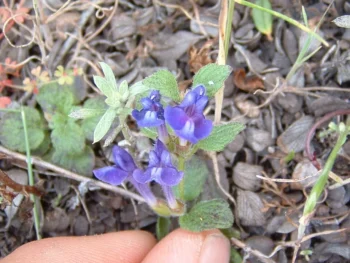
Danny’s skullcap is a true West Coast native, naturally growing in California and Oregon. As a member of the mint family, this perennial forb stays close to the ground, spreading gently to create natural carpets of green foliage topped with spikes of small, tubular flowers in shades of blue to purple. Don’t expect towering height from this plant – it’s all about that low-growing, spreading charm that makes it perfect for filling in those tricky spots in your native garden.
This native beauty grows naturally in California and Oregon, where it has adapted perfectly to the region’s Mediterranean climate and diverse growing conditions. It’s right at home in chaparral communities and oak woodlands, making it an excellent choice for gardeners wanting to recreate these natural ecosystems in their own backyards.
- Species observed
- No observations
Why Your Garden (and Local Wildlife) Will Love It
One of the best reasons to plant Danny’s skullcap is its fantastic relationship with pollinators. Those small but numerous flowers are like tiny beacons for native bees, butterflies, and other beneficial insects. When this plant is in bloom, you’ll notice increased pollinator activity in your garden – always a good sign of a healthy ecosystem!
From a design perspective, Danny’s skullcap works beautifully as:
- Groundcover in native plant gardens
- Understory planting beneath native trees and shrubs
- Natural filler in rock gardens or Mediterranean-style landscapes
- Part of a pollinator garden mix
Growing Danny’s Skullcap Successfully
The wonderful thing about native plants like Danny’s skullcap is that they’re naturally adapted to succeed in their home regions. If you’re gardening in USDA zones 8-10 (which covers most of California and parts of Oregon), you’re in the sweet spot for growing this plant successfully.
Here’s what Danny’s skullcap needs to thrive:
- Soil: Well-draining soil is essential – this plant doesn’t like wet feet
- Light: Partial shade to full sun, though it appreciates some afternoon shade in the hottest climates
- Water: Drought-tolerant once established, but benefits from occasional summer water in very hot, dry areas
Planting and Care Tips
The best time to plant Danny’s skullcap is in fall, giving it time to establish roots before the growing season really kicks in. During its first year, water regularly to help it get established – think of this as an investment in future low-maintenance gardening.
Once established (usually after the first year), you can significantly reduce watering. This plant is naturally adapted to California’s dry summers, so overwatering is more likely to cause problems than underwatering. In the hottest inland areas, occasional deep summer watering will keep it looking its best.
Is Danny’s Skullcap Right for Your Garden?
Danny’s skullcap is an excellent choice if you’re creating a native California or Oregon garden, working on habitat restoration, or simply want a low-maintenance groundcover that supports local wildlife. It’s particularly perfect for gardeners who want to reduce their water usage while still maintaining an attractive landscape.
However, if you’re gardening outside of its native range (California and Oregon), you might want to look for native alternatives that are better suited to your local ecosystem. Every region has its own wonderful native groundcovers that will perform better and provide more ecological benefits than plants from distant places.
For West Coast gardeners, though, Danny’s skullcap offers that perfect combination of beauty, ecological value, and easy care that makes native gardening such a joy. Give it a try, and you’ll likely find yourself appreciating both its quiet charm and the buzzing activity it brings to your garden.